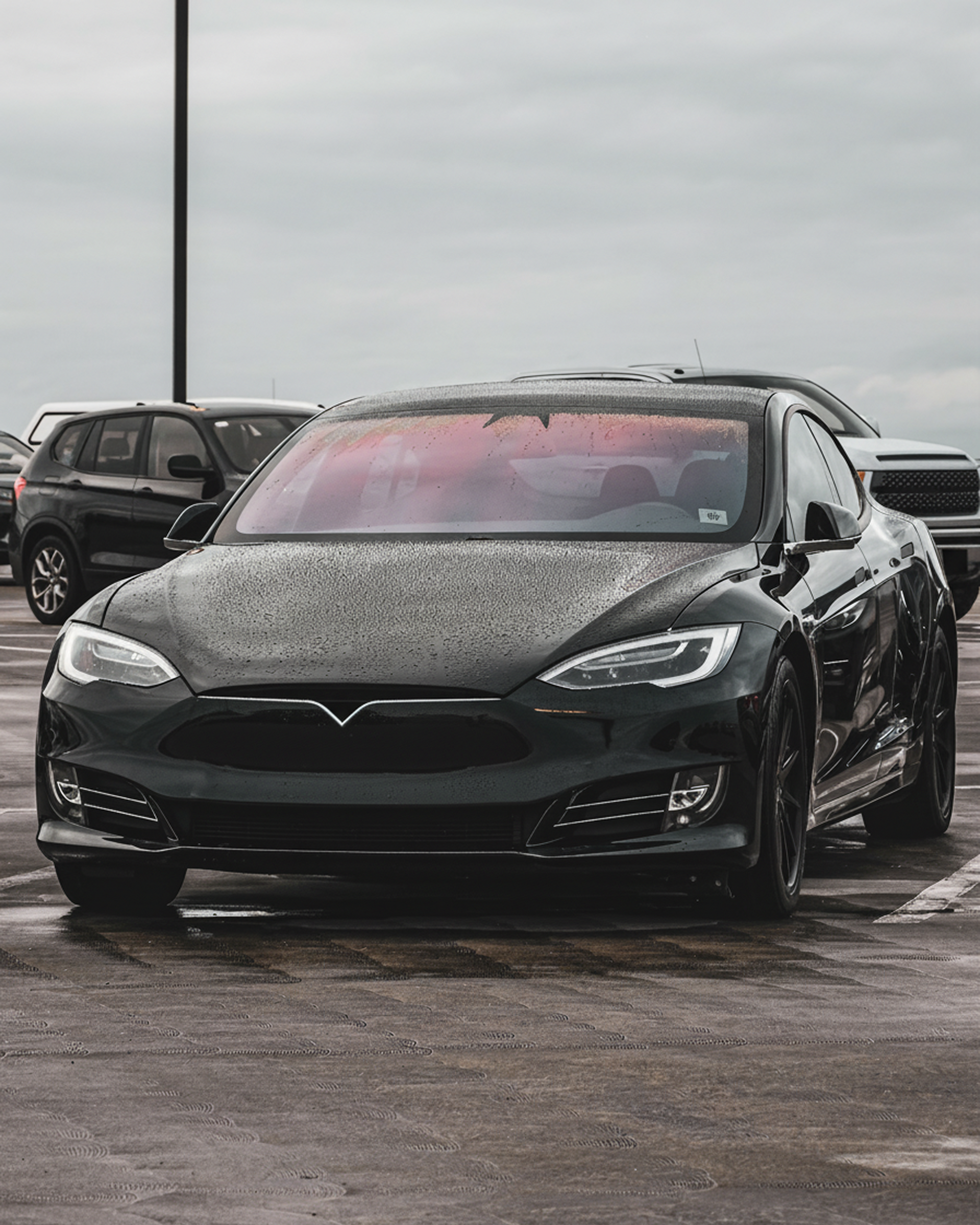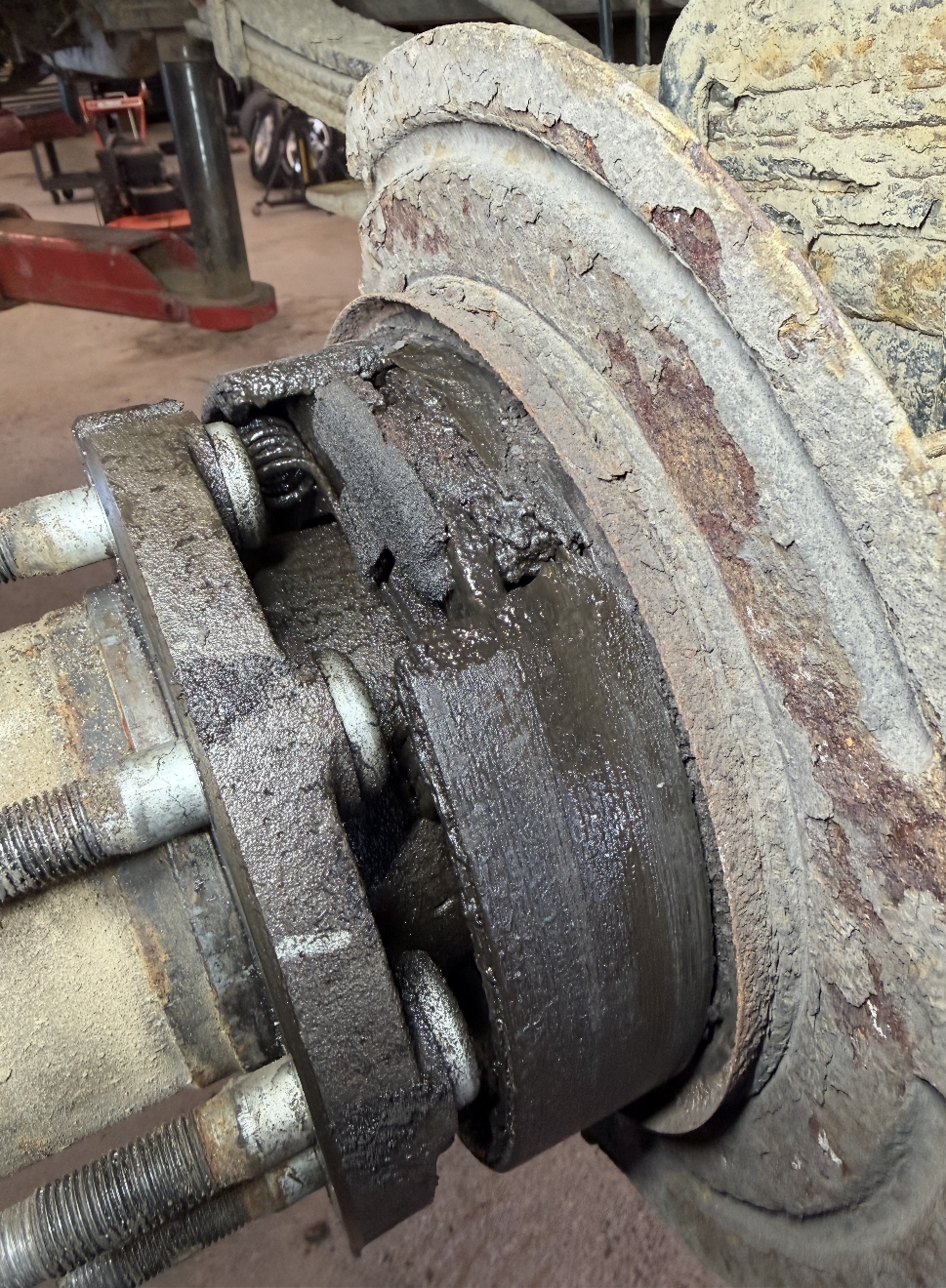
No gasoline engine does not mean no oil, no coolant, and no maintenance. The fluids moved — they did not disappear.
One of the most common things we hear from Tesla owners is some version of this: “It’s electric. There is no oil to change.”
That sentence is half right. There is no crankcase full of 5W-30. There are no oil filters hanging off a gas engine, no spark plugs, and no transmission with six or ten gears to flush every 30,000 miles.
The other half is the part that costs people money. Tesla drive units still have fluid in them. The battery and electronics still have coolant. The brakes still have hydraulic fluid. Minnesota winter still eats the parts that sit unused. “Maintenance-free” is a marketing phrase. It is not a physical law.
What Tesla actually says — and what the service manual shows
Tesla’s public maintenance page is clear: no traditional oil changes, no fuel-system service, no emission checks. Current owner’s manuals also say battery coolant does not need replacement for the life of the vehicle under most circumstances. That is the official line.
Then you open the service manual. Tesla still publishes drain-and-refill procedures for gearbox fluid in the front and rear drive units. They specify a fluid — currently KAF1 on most late cars, with older Model S/X large rear units historically using Dexron VI ATF, and some early front units using a different gear oil entirely. Volumes are small: roughly 1.3 to 2.3 liters depending on which drive unit is in the car.
Those two facts can both be true. Tesla designed the units as “fill for life” under typical use. They also wrote a procedure for when the fluid does come out — after a repair, a leak, contamination, or a shop that is trying to keep a high-mileage unit alive. Independent EV shops and long-term owners have mostly settled in the middle: inspect it, and change it on a long interval rather than never.
The “oil” in a Tesla is gear oil, not motor oil
A Tesla does not have a multi-speed automatic transmission. It has a single-speed reduction gearbox bolted to the electric motor. That assembly is the drive unit. Inside it, gears and bearings spin at high speed and make heat. The fluid in there is typically a low-viscosity automatic transmission fluid or a dedicated gearbox fluid — not 5W-30 engine oil, and not something you buy off the rack without checking the spec.
What that fluid does:
- Lubricates reduction gears and bearings
- Carries heat away from the unit
- Holds wear metals in suspension until it is drained — which is why a sample of dark, glittery fluid tells you more than a warning light ever will
Early Model S cars even had a first fluid change on the books around 12,500 miles, then later service. Tesla later dropped that from the owner schedule. The hardware did not suddenly become magic. The fluid still shears, still picks up metal, and still sees Minnesota cold starts and highway heat.
A practical shop interval many independent Tesla specialists use is inspect around 60,000 miles and service in the 60,000–100,000 mile / 4–6 year window — sooner if the car is a taxi, a track car, a curb-hopper, or a high-mileage daily that lives on salted roads. If the unit already howls, fresh fluid will not rebuild a bearing. It can buy time and confirm the diagnosis.
The other fluid: battery and thermal-system coolant
This is the second surprise. The high-voltage battery, the drive electronics, and parts of the cabin heat system live on coolant loops. Tesla uses an ethylene-glycol coolant (G48 / Tesla HTF-LS type chemistry — phosphate- and silicate-sensitive, not a random green jug from the parts store).
Tesla’s current wording is that battery coolant usually lasts the life of the car. That is the baseline. It is not permission to ignore the system. Coolant that has gone brown, full of particles, or low from a leak is a problem. Air left in the loop after a sloppy service creates hot spots. The wrong chemistry eats seals and cooling plates. Opening the reservoir carelessly can also void coverage Tesla still offers on the pack.
What we do first is inspect: color, level (where it can be checked without fighting the system), leaks, and any thermal warnings on the car. A flush is not an annual ritual. It is a targeted service when age, condition, a repair, or a leak says it is time. Minnesota heat-and-cold cycling and Supercharger sessions both work that fluid harder than a mild-climate grocery loop.
The fluids people forget even faster
If we are talking Tesla maintenance honestly, drive-unit oil and battery coolant are only part of the list:
- Brake fluid. Regenerative braking saves pads. It does not stop brake fluid from absorbing moisture. Tesla still specifies a DOT 3/4 family fluid. In a salt climate we treat a two-to-four-year test-and-replace as real maintenance, not optional.
- Brake calipers. Pads that barely wear seize. Slider pins and hardware need cleaning and lube on a salted-road schedule — Tesla even lists caliper service in cold/salt regions.
- 12-volt battery. Door handles, computers, and the wake-up circuit all live here. A dying 12-volt battery mimics a “dead Tesla.”
- Cabin / HEPA filters, tires, alignment, and air-suspension checks on S/X. None of that vanished when the engine did.
Why this matters more in Itasca County than in a brochure
We do not have a mild coastal commute. We have cold soaks, gravel, lake-road salt, and owners who actually use the car — including towing and long highway runs. Drive-unit fluid that sat through a dozen Minnesota winters is not the same fluid that left Fremont. A coolant loop that never gets looked at will not announce itself politely. It will show up as reduced charge speed, odd thermal behavior, or a very expensive pack conversation.
That is the gap independent shops fill. Tesla Service will often wait for a fault. A local shop that already works drivetrains, cooling systems, and brakes can inspect the fluids on a schedule that matches how the car is actually used.
What Itasca Automotive will — and will not — do
We will:
- Inspect drive-unit fluid condition and discuss a drain-and-fill when mileage, age, noise, or a sample says it is time
- Use the correct gearbox fluid for that generation of unit — KAF1 or the spec that unit actually takes. No “close enough” ATF from the bulk tank.
- Inspect the thermal system and service coolant only with the right chemistry and a proper fill procedure
- Test and replace brake fluid, clean and lube calipers, replace the 12-volt battery, and handle the wear items every Tesla still has
- Tell you when a job still belongs at Tesla — pack internals, certain module work, warranty items
We will not dump motor oil into a drive unit, pressure-test a Tesla cooling circuit like a 1998 pickup, or sell you an annual “EV oil change” you do not need. The point of independent Tesla service is fewer surprises, not more invoices.
The short version
A Tesla does not need engine oil. It does need someone who understands that the drive units have gearbox fluid, the battery has coolant, and the brakes still live in Minnesota.
If your Model S, 3, X, or Y has never had those systems looked at — especially past 60,000 miles or a few winters — bring it in. We will tell you what the fluid looks like and what is actually worth doing.