Spare Yourself: Know Your Spare Before You Need It

November 16, 2026

Nobody plans on a flat tire. But on a back road in Itasca County, miles from town and maybe out of cell range, your spare might be the only thing that gets you home. Too often, the spare is flat, missing, or stuck right when you need it most.


Do you know where your spare is?


Spares aren't always in the trunk anymore. Depending on your vehicle, it could be:


  • Under the trunk floor or cargo mat
  • Under the bed of your pickup, held up by a cable
  • On the back door of an SUV or Jeep
  • Not there at all. Some newer cars come with only a tire repair kit.


Take five minutes today and find yours.


Do you know how to get it out?


Pickups and many SUVs hold the spare under the vehicle with a winch, which you lower using a crank rod that goes through a small hole near the bumper or tailgate. That winch can rust or seize, especially with Minnesota road salt. Try lowering it once in your driveway, not on the side of the road in January.


Do you have the tools?


Check that you have a jack, a lug wrench, and the wheel lock key if your wheels use locking lug nuts. Your owner's manual shows where the tools are stored and where to place the jack.


Does it have air?


This is the big one. A spare can slowly lose air for years without anyone noticing. Check its pressure every few months, or at least whenever you get an oil change. Small "donut" spares usually need higher pressure than your regular tires, often around 60 PSI. The correct number is printed on the tire or on the sticker inside your driver's door.


Remember: a donut is temporary


Most compact spares are built for short distances at lower speeds. They're meant to get you to a shop, not to stay on your car.


Want us to check it?

Spare checks aren't part of a regular service, since getting a stuck spare down from under a pickup can take extra time. But if you'd like us to look at yours, just ask when you book your next service at Itasca Automotive. We'll check the air and make sure it comes down when it should. And if your car won't run at all, we offer flatbed pickup for our repair customers.


Call us at (218) 743-4000.


Spare yourself the headache. Check your spare today.
November 9, 2026
At Itasca Automotive, we use AI across our procedures to work faster and more accurately. Connected through our NAPA software, it gives our technicians quick access to the information they need on every job.
Trailer Repair | Itasca Automotive
November 3, 2026
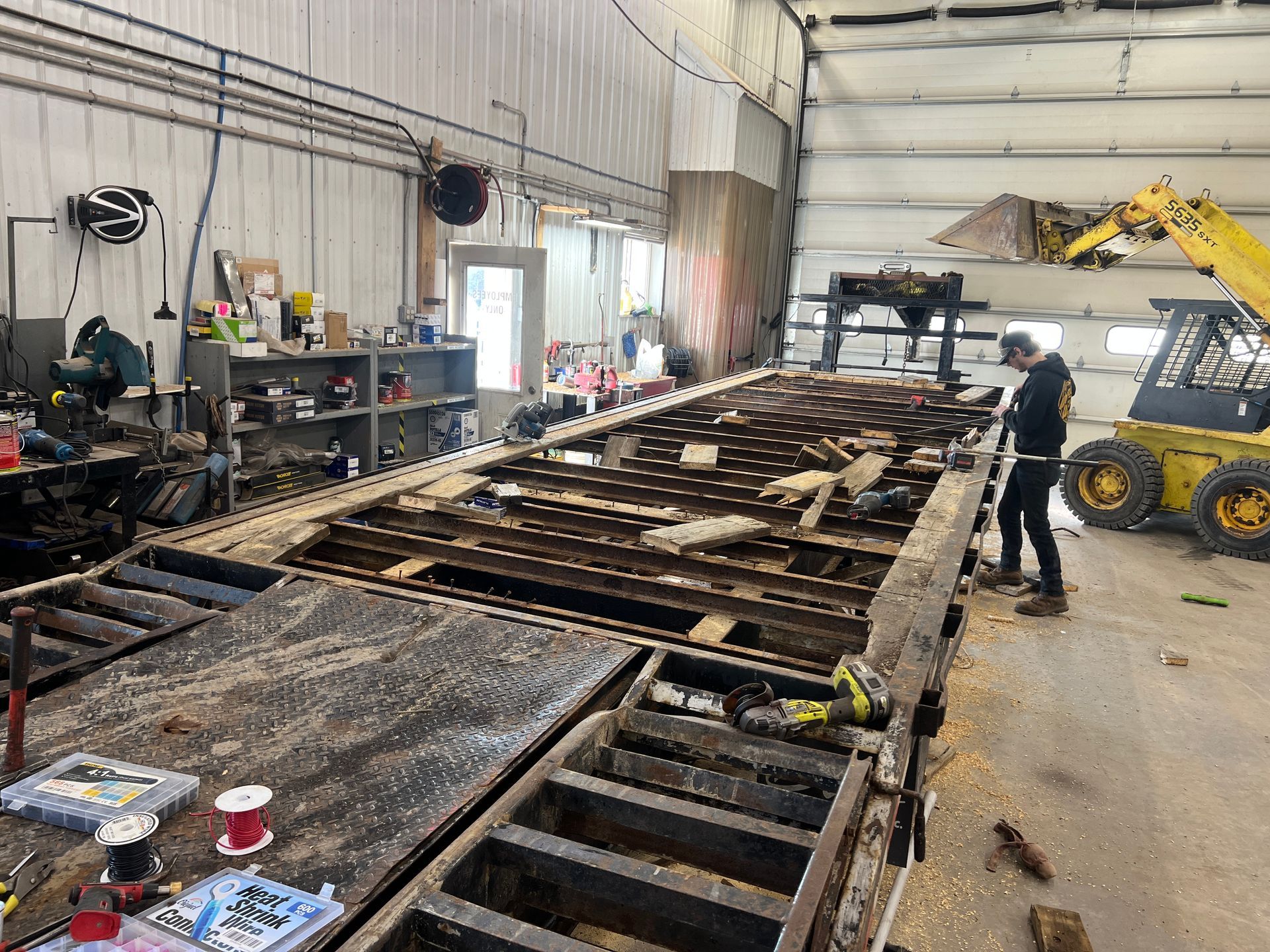
Call or stop in if you have a trailer that needs attention. We work on vehicles and the trailers that follow them. | Auto Repair Shop in Itasca County, MN
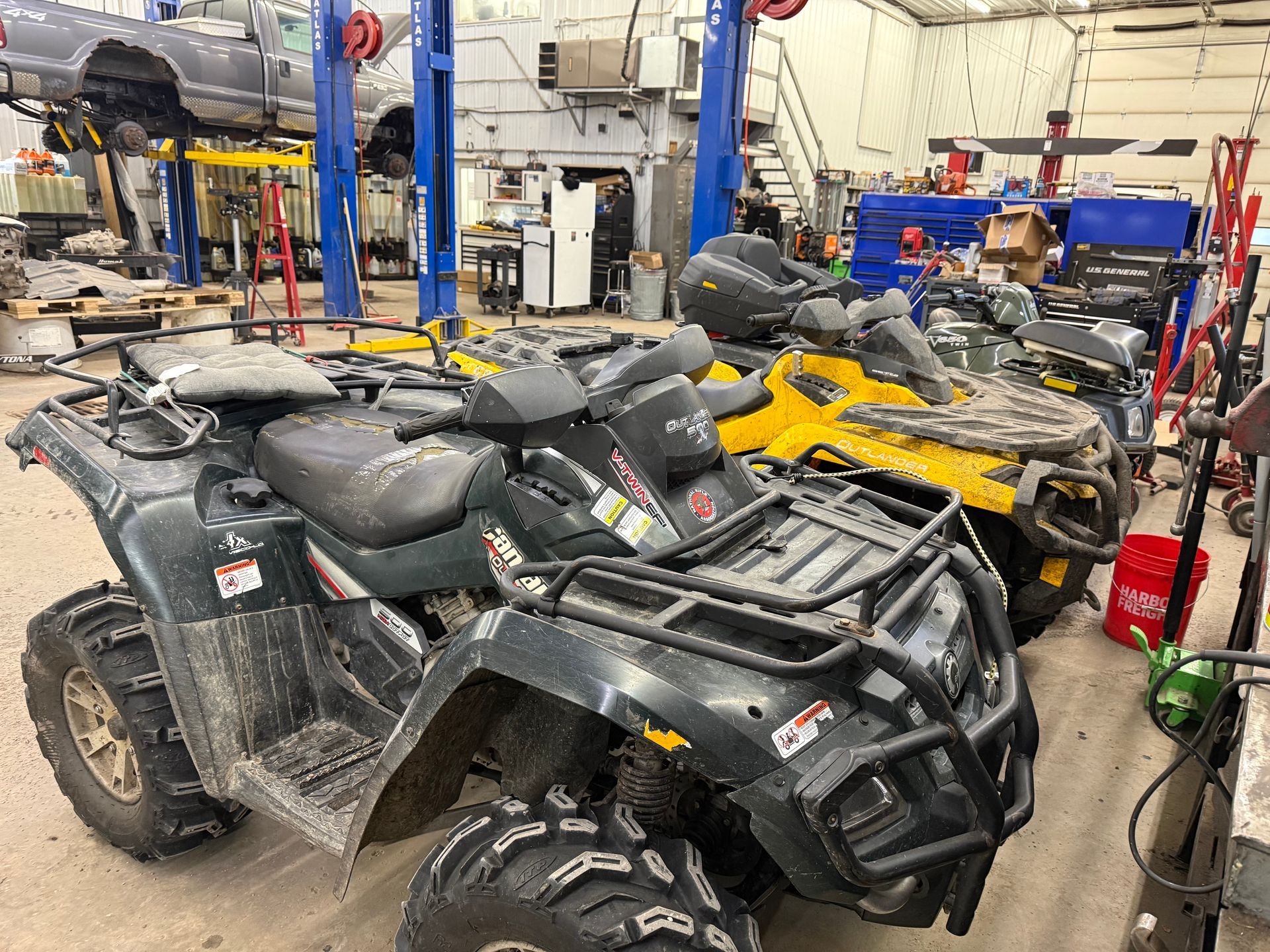
Black and yellow ATVs in a repair shop with tools and vehicle lifts around them | Itasca Automotive
October 28, 2026
Heading up north for deer season? Itasca Automotive in Bigfork, MN, offers powersports, trailer, and auto repair with no long waits.
Teslas Still Need Fluid Service. Just Not the Kind You Think. | Itasca Automotive
October 6, 2026
A Tesla does not need engine oil. It does need someone who understands that the drive units have gearbox fluid, the battery has coolant, and the brakes still live in Minnesota.
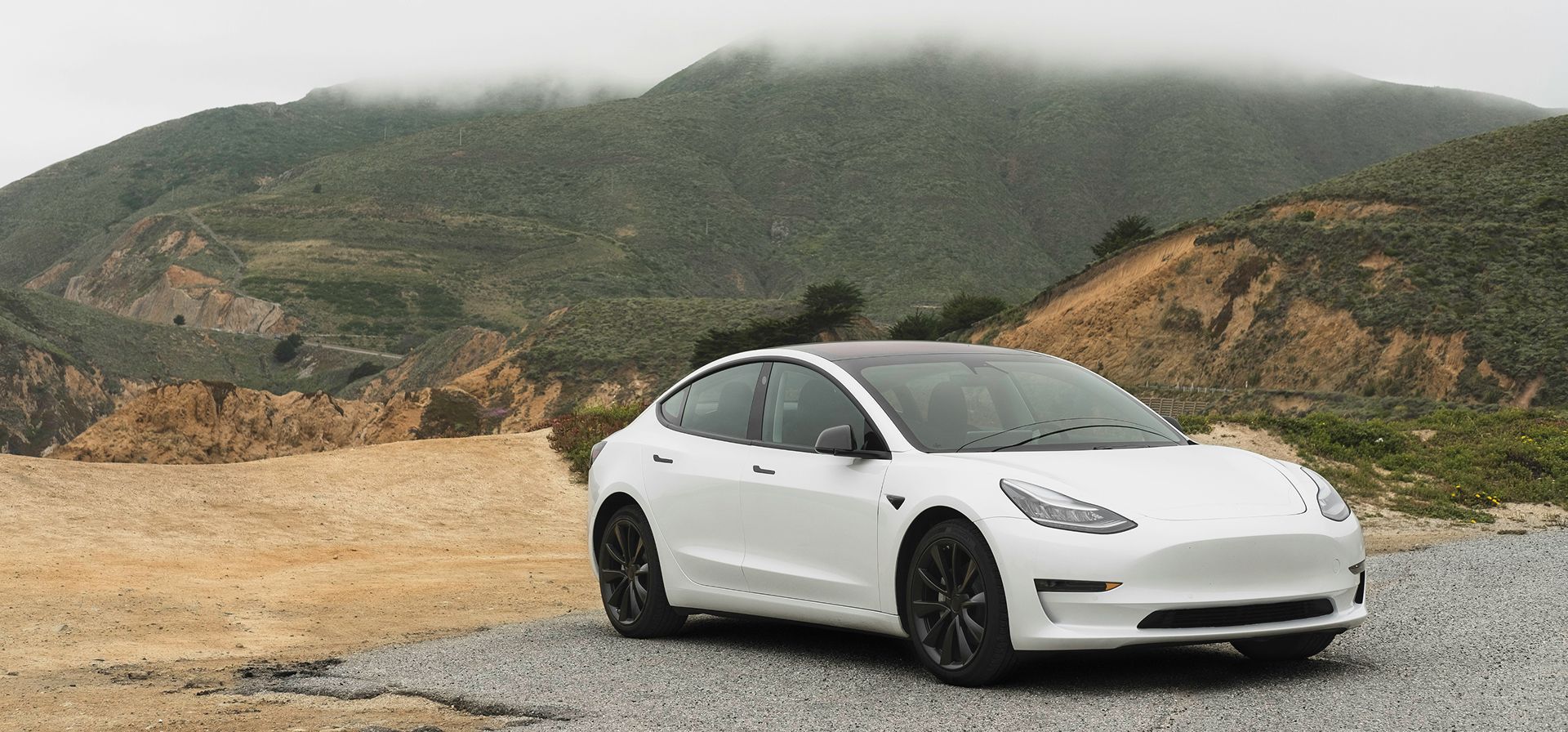
A Black Tesla Car | Itasca Automotive
September 16, 2026
If you own a Tesla in northern Minnesota and need auto repair services, choose the specialists here at Itasca Automotive. Schedule an appointment today!
September 14, 2026
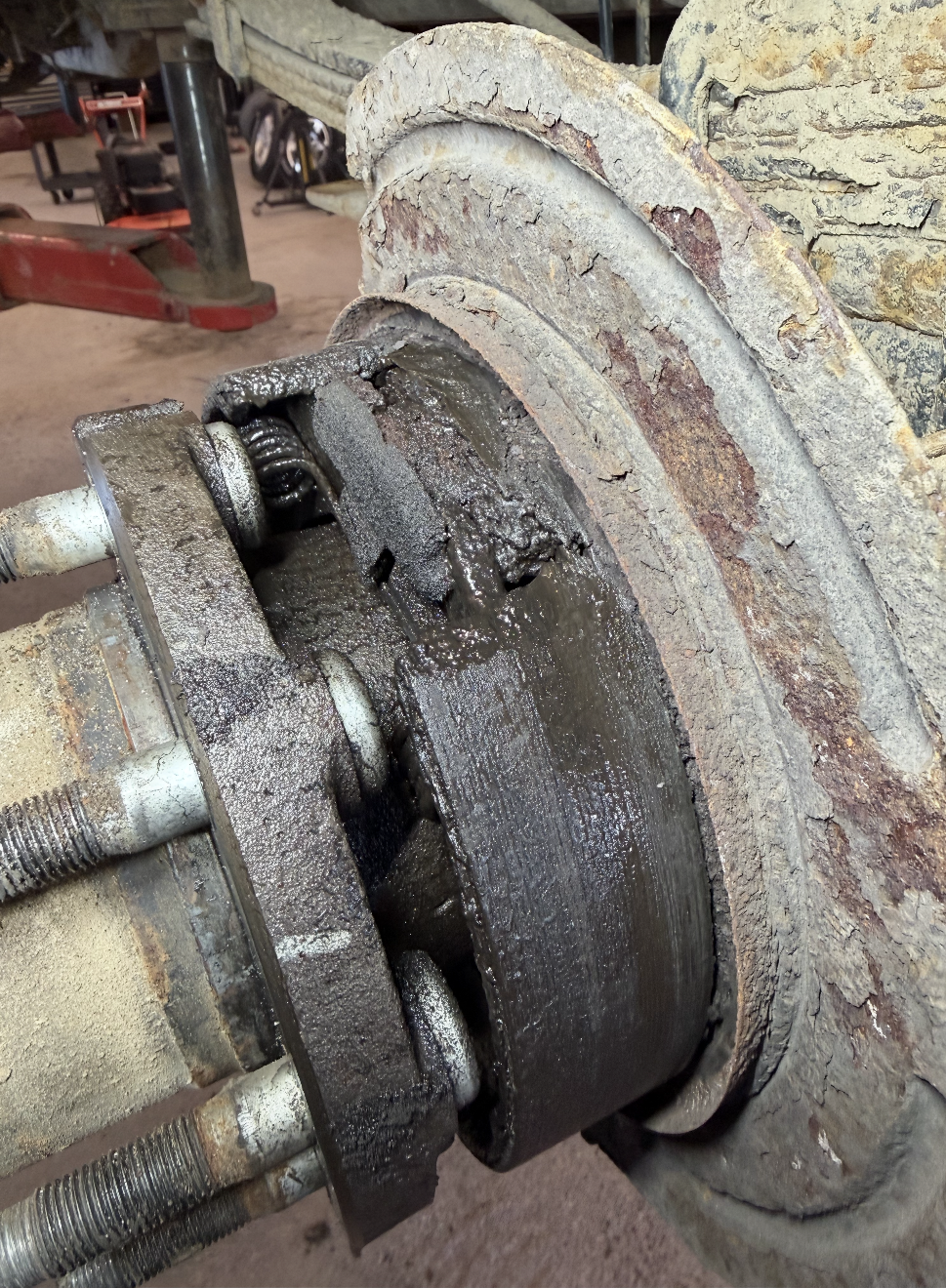
Most people remember to change their engine oil. Far fewer think about the fluids that keep the rest of the drivetrain alive — transmission fluid, transfer case fluid, and differential fluid. These fluids work hard, especially on vehicles that see Minnesota winters, towing, or regular four-wheel-drive use. Neglecting them is one of the fastest ways to turn a reliable truck or SUV into an expensive repair.  Here’s a straightforward look at each one and why a proper service includes more than just draining and filling. Transmission Fluid Automatic transmissions rely on clean fluid for hydraulic pressure, cooling, and lubrication. Over time the fluid breaks down from heat and picks up clutch material and metal particles. Dirty fluid leads to harsh shifting, delayed engagement, and eventually internal damage. Most manufacturers recommend a fluid and filter service somewhere between 30,000 and 60,000 miles, though severe service (towing, short trips, extreme cold) calls for more frequent changes. A good service includes dropping the pan when possible so the filter and magnet can be cleaned or replaced. Transfer Case Fluid If your vehicle has four-wheel drive or all-wheel drive, the transfer case splits power between the front and rear axles. The fluid inside is often different from transmission fluid and is just as critical. Low or degraded fluid can cause the transfer case to overheat, bind, or fail — repairs that routinely run into the thousands of dollars. Many transfer cases are “filled for life” according to the manufacturer, but that rarely holds up under real-world conditions, especially in northern climates. Checking and changing the fluid at regular intervals is cheap insurance. Differential Fluid Differentials (rear, and sometimes front) take the power from the driveshaft and send it to the wheels while allowing them to turn at different speeds. The gears inside run under high pressure and generate a lot of heat. The fluid lubricates and cools those gears. Like the other fluids, differential oil breaks down over time and becomes contaminated with metal particles. Most shops recommend changing it every 30,000–50,000 miles, or sooner if the vehicle is used for towing or off-road work. The Axle Seal Most People Never See One of the most important checks during a differential service is the axle seals — the seals located right next to the brakes on each side of the axle. These seals keep the gear oil inside the differential. When they start to leak, the oil can slowly seep out onto the brake components or onto the ground. The leak is often small enough that it goes unnoticed during a quick under-vehicle glance. You usually only catch it when the wheels are off or the vehicle is up on a lift for a thorough inspection. If the oil level drops too low, the gears and bearings inside the differential lose lubrication. The result is often a complete rear-end failure — a repair that can cost several thousand dollars and leave the vehicle undriveable. Catching a leaking axle seal early is almost always a simple, inexpensive fix compared to replacing an entire differential assembly. What a Proper Service Should Include A quality fluid service isn’t just a drain-and-fill. At a minimum it should include: Inspecting for leaks, especially the axle seals near the brakes Checking fluid condition and level before and after the service Using the correct fluid specification for your vehicle Looking for metal particles or other signs of internal wear Road-testing when appropriate to confirm proper operation These fluids are out of sight and out of mind for most owners until something goes wrong. A little preventive maintenance goes a long way toward avoiding big repair bills later. If it’s been a while since your transmission, transfer case, or differentials were serviced — or if you’ve never had the axle seals checked — it’s worth having a look. The cost of the service is almost always far less than the cost of the damage that can result from neglect.
September 7, 2026
If you’ve noticed a new noise from a corner of your truck or car, stop by and we’ll take a look. Finding it early usually saves money and keeps the vehicle safer on the road.
August 31, 2026
Mice love vehicles for several reasons - the residual warmth, food scraps left in the interior, or simply a protected place to build a nest. Any of these can create real trouble for your truck or car.
August 24, 2026
A squeaky pulley is one of those noises that’s easy to live with until it isn’t. Catching it early is cheaper and a lot less stressful than a broken belt!
August 18, 2026
If you drive regularly through our winters, a good set of snow tires is still one of the smartest upgrades you can make. Call us to schedule an appointment!