Why Brake Repairs Should Never Be Delayed in Itasca County – What Grand Rapids Drivers Need to Know

July 9, 2026

Driving in Itasca County demands a lot from your vehicle’s brakes. Between the long winters, icy roads, gravel forest routes, heavy tourist traffic in the summer, and sudden wildlife encounters, your brakes work harder here than in many other parts of the country. At Itasca Automotive in Grand Rapids, we see the effects of our local driving conditions on brake systems every single week. Ignoring brake problems isn’t just risky — it can lead to much more expensive repairs and, more importantly, dangerous situations on the road.


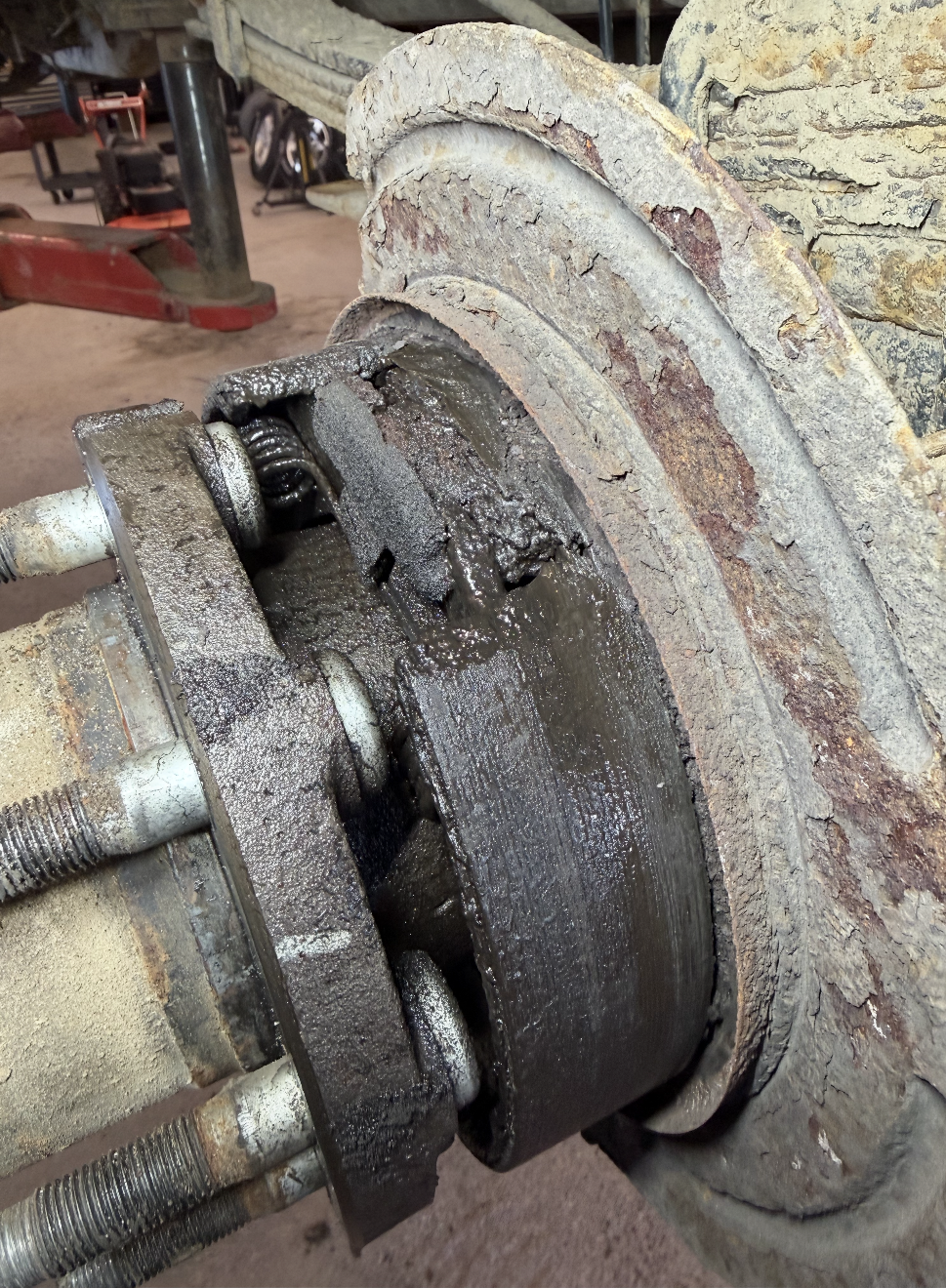
Northern Minnesota’s climate is especially tough on brakes. Road salt and de-icing chemicals used during our long winters are highly corrosive. They eat away at rotors, calipers, and brake lines over time. Many vehicles we service in the Grand Rapids area show significant rust and wear that drivers don’t notice until the brakes start making noise or feel less responsive.


One of the most common issues we see is worn brake pads. Pads typically last between 30,000 and 70,000 miles depending on your driving style and conditions. In Itasca County, that range tends to be on the lower side because of frequent stops in town, highway driving to nearby communities, and winter weather that requires more careful braking.


Warning Signs Your Brakes Need Attention


Grand Rapids drivers should listen and feel for these common indicators:


  • Squealing or grinding noises when braking – This usually means your brake pads are worn down to the wear indicators or metal is contacting the rotor.
  • Shaking or vibration in the steering wheel or brake pedal when slowing down – Warped rotors are a frequent culprit, especially after repeated hard stops or exposure to temperature extremes.
  • Soft or spongy brake pedal – This can indicate air in the brake lines, low brake fluid, or failing master cylinder.
  • Pulling to one side when braking – Often caused by uneven pad wear, stuck calipers, or problems with the brake hoses.
  • Longer stopping distance – If your vehicle takes longer to stop than usual, especially in wet or icy conditions, it’s time for immediate inspection.
  • Burning smell after braking – This can signal overheated brakes or seized calipers.
  • Dashboard brake warning light – Never ignore this. It could mean low fluid, worn pads, or a more serious issue in the system.


Because many people in the Grand Rapids area drive trucks, SUVs, and vehicles used for work or towing, brake systems experience extra stress. Towing boats to area lakes or hauling equipment on forest roads puts additional load on your brakes, causing them to heat up faster and wear more quickly.


Why Professional Brake Repair Matters


There’s a big difference between a basic brake job and proper, high-quality brake service. At Itasca Automotive, we perform complete brake inspections that include measuring rotor thickness, checking caliper operation, inspecting all brake lines and hoses, and testing the entire hydraulic system.


We only recommend the repairs your vehicle actually needs. Sometimes a simple pad and rotor replacement is sufficient. Other times, we may need to address stuck calipers, ABS sensor issues, or brake fluid flushes to restore full safety and performance.


Quality matters. Using the right brake parts for northern Minnesota conditions makes a significant difference in how long your brakes last. We choose pads and rotors designed to handle cold weather, road salt, and the mix of highway and gravel road driving common in Itasca County.


The Cost of Waiting


Putting off brake repairs almost always leads to higher costs. Worn pads damage rotors. Seized calipers can ruin brake hoses. What starts as a $400–$600 brake service can easily turn into a $1,200+ repair if major components fail. More importantly, brakes are your vehicle’s most critical safety feature. In areas with deer crossings, sudden snowstorms, and logging trucks, reliable stopping power is essential.


Seasonal Brake Care Tips for Itasca County Drivers


  • Have your brakes inspected every fall before winter arrives
  • Get brakes checked again in spring after the heavy salt season ends
  • Avoid riding your brakes on long downhills — use lower gears instead
  • Have your brake fluid flushed every 2–3 years or 30,000 miles
  • Pay attention to how your vehicle feels after driving through deep puddles or slush


Many of our customers in Grand Rapids combine their brake service with other seasonal maintenance, such as tire rotations, fluid checks, and AC service, making it more convenient and cost-effective.


Trust Your Local Experts


At Itasca Automotive, we’ve built our reputation by providing honest, high-quality brake repairs to drivers throughout Itasca County. We understand the unique challenges our roads and weather present, and we take pride in keeping local families, workers, and tourists safe on the road.


Whether you drive a daily commuter car, a heavy-duty pickup, or a family SUV, we deliver reliable brake service using quality parts and proper procedures. Our goal is simple: make sure you and your passengers stay safe every time you hit the brakes.


If you’ve noticed any of the warning signs mentioned above, or if it’s been more than a year since your last brake inspection, we encourage you to schedule an appointment soon. Don’t wait until the next snowstorm or that sudden stop on Highway 169.


Contact Itasca Automotive today for professional brake inspection and repair from Grand Rapids to Bigfork and throughout Itasca County. Your safety is our top priority.
November 16, 2026
Spare checks aren't part of a regular service, since getting a stuck spare down from under a pickup can take extra time. But if you'd like us to look at yours, just ask when you book your next service at Itasca Automotive.
November 9, 2026
At Itasca Automotive, we use AI across our procedures to work faster and more accurately. Connected through our NAPA software, it gives our technicians quick access to the information they need on every job.
Trailer Repair | Itasca Automotive
November 3, 2026
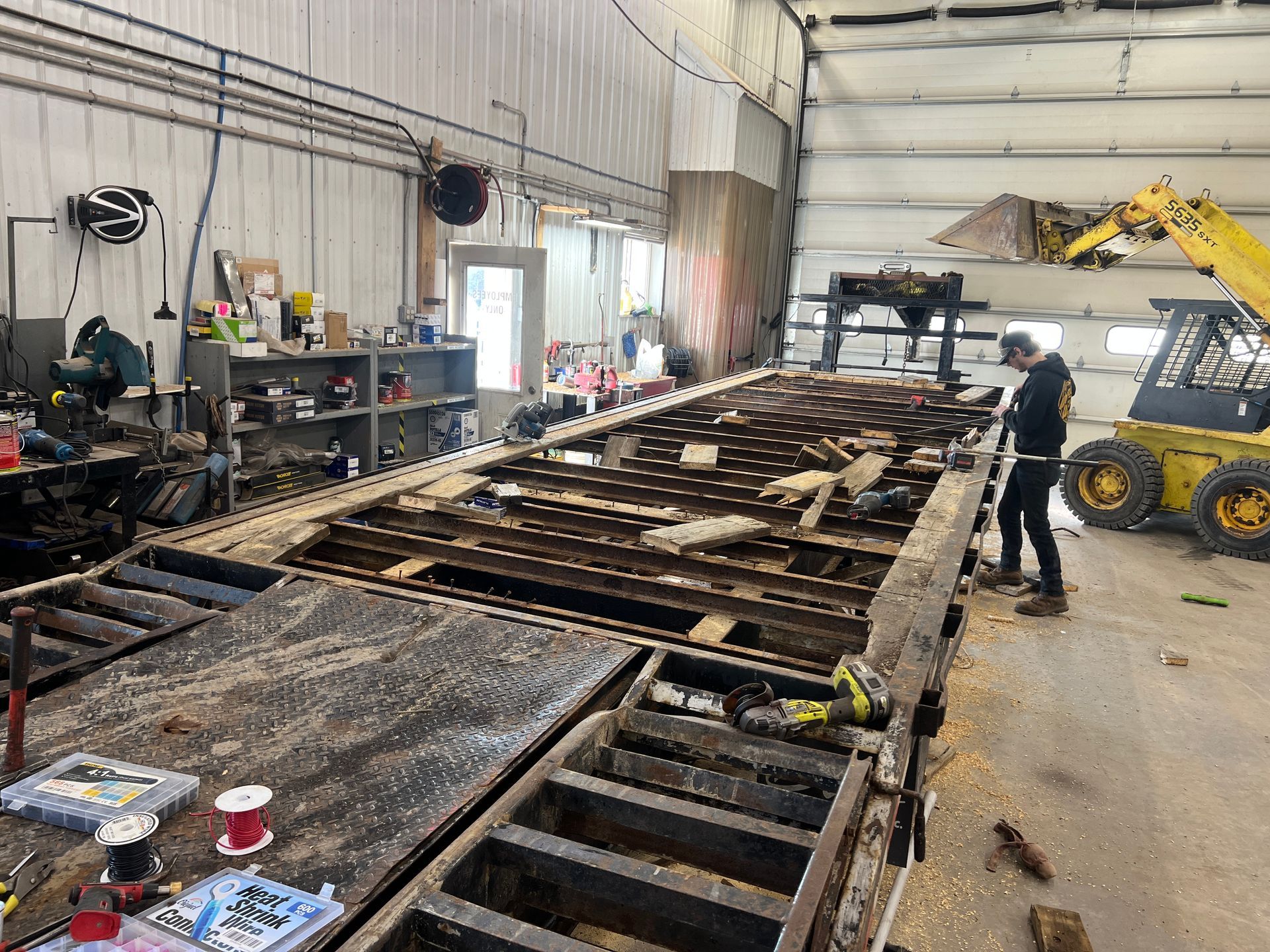
Call or stop in if you have a trailer that needs attention. We work on vehicles and the trailers that follow them. | Auto Repair Shop in Itasca County, MN
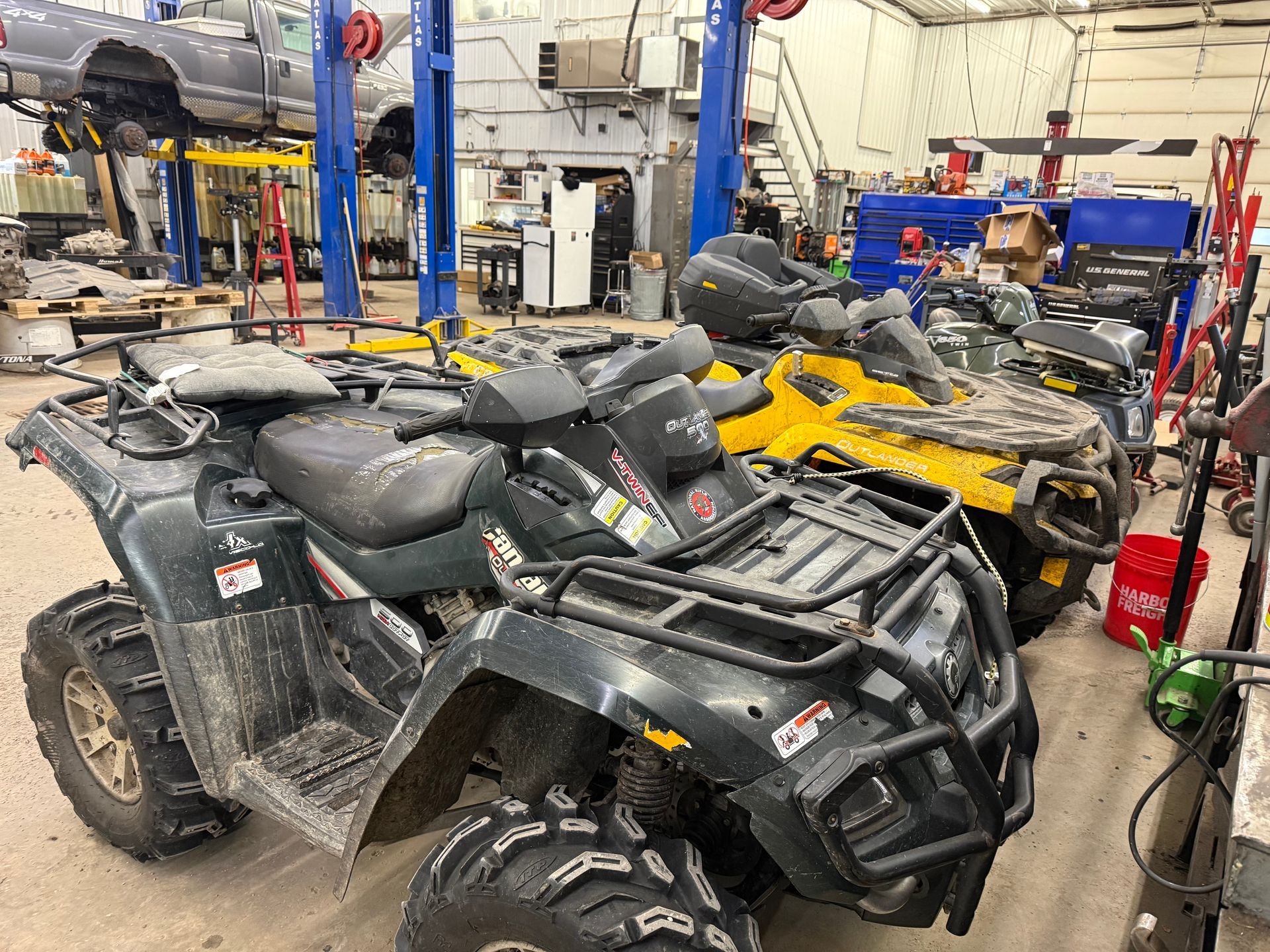
Black and yellow ATVs in a repair shop with tools and vehicle lifts around them | Itasca Automotive
October 28, 2026
Heading up north for deer season? Itasca Automotive in Bigfork, MN, offers powersports, trailer, and auto repair with no long waits.
Teslas Still Need Fluid Service. Just Not the Kind You Think. | Itasca Automotive
October 6, 2026
A Tesla does not need engine oil. It does need someone who understands that the drive units have gearbox fluid, the battery has coolant, and the brakes still live in Minnesota.
A Black Tesla Car | Itasca Automotive
September 16, 2026
If you own a Tesla in northern Minnesota and need auto repair services, choose the specialists here at Itasca Automotive. Schedule an appointment today!
September 14, 2026
Most people remember to change their engine oil. Far fewer think about the fluids that keep the rest of the drivetrain alive — transmission fluid, transfer case fluid, and differential fluid. These fluids work hard, especially on vehicles that see Minnesota winters, towing, or regular four-wheel-drive use. Neglecting them is one of the fastest ways to turn a reliable truck or SUV into an expensive repair.  Here’s a straightforward look at each one and why a proper service includes more than just draining and filling. Transmission Fluid Automatic transmissions rely on clean fluid for hydraulic pressure, cooling, and lubrication. Over time the fluid breaks down from heat and picks up clutch material and metal particles. Dirty fluid leads to harsh shifting, delayed engagement, and eventually internal damage. Most manufacturers recommend a fluid and filter service somewhere between 30,000 and 60,000 miles, though severe service (towing, short trips, extreme cold) calls for more frequent changes. A good service includes dropping the pan when possible so the filter and magnet can be cleaned or replaced. Transfer Case Fluid If your vehicle has four-wheel drive or all-wheel drive, the transfer case splits power between the front and rear axles. The fluid inside is often different from transmission fluid and is just as critical. Low or degraded fluid can cause the transfer case to overheat, bind, or fail — repairs that routinely run into the thousands of dollars. Many transfer cases are “filled for life” according to the manufacturer, but that rarely holds up under real-world conditions, especially in northern climates. Checking and changing the fluid at regular intervals is cheap insurance. Differential Fluid Differentials (rear, and sometimes front) take the power from the driveshaft and send it to the wheels while allowing them to turn at different speeds. The gears inside run under high pressure and generate a lot of heat. The fluid lubricates and cools those gears. Like the other fluids, differential oil breaks down over time and becomes contaminated with metal particles. Most shops recommend changing it every 30,000–50,000 miles, or sooner if the vehicle is used for towing or off-road work. The Axle Seal Most People Never See One of the most important checks during a differential service is the axle seals — the seals located right next to the brakes on each side of the axle. These seals keep the gear oil inside the differential. When they start to leak, the oil can slowly seep out onto the brake components or onto the ground. The leak is often small enough that it goes unnoticed during a quick under-vehicle glance. You usually only catch it when the wheels are off or the vehicle is up on a lift for a thorough inspection. If the oil level drops too low, the gears and bearings inside the differential lose lubrication. The result is often a complete rear-end failure — a repair that can cost several thousand dollars and leave the vehicle undriveable. Catching a leaking axle seal early is almost always a simple, inexpensive fix compared to replacing an entire differential assembly. What a Proper Service Should Include A quality fluid service isn’t just a drain-and-fill. At a minimum it should include: Inspecting for leaks, especially the axle seals near the brakes Checking fluid condition and level before and after the service Using the correct fluid specification for your vehicle Looking for metal particles or other signs of internal wear Road-testing when appropriate to confirm proper operation These fluids are out of sight and out of mind for most owners until something goes wrong. A little preventive maintenance goes a long way toward avoiding big repair bills later. If it’s been a while since your transmission, transfer case, or differentials were serviced — or if you’ve never had the axle seals checked — it’s worth having a look. The cost of the service is almost always far less than the cost of the damage that can result from neglect.
September 7, 2026
If you’ve noticed a new noise from a corner of your truck or car, stop by and we’ll take a look. Finding it early usually saves money and keeps the vehicle safer on the road.
August 31, 2026
Mice love vehicles for several reasons - the residual warmth, food scraps left in the interior, or simply a protected place to build a nest. Any of these can create real trouble for your truck or car.
August 24, 2026
A squeaky pulley is one of those noises that’s easy to live with until it isn’t. Catching it early is cheaper and a lot less stressful than a broken belt!