September 14, 2026
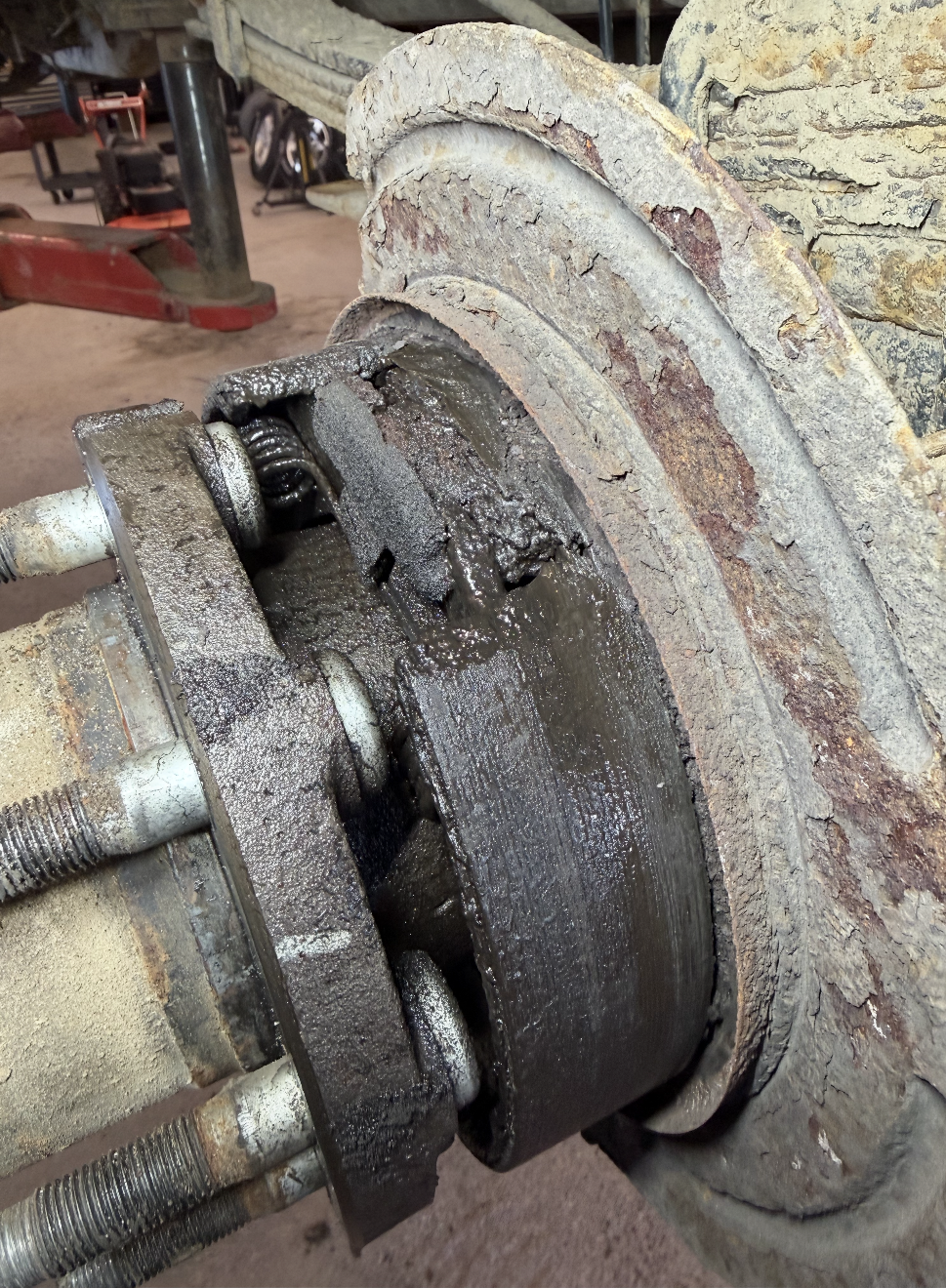
Most people remember to change their engine oil. Far fewer think about the fluids that keep the rest of the drivetrain alive — transmission fluid, transfer case fluid, and differential fluid. These fluids work hard, especially on vehicles that see Minnesota winters, towing, or regular four-wheel-drive use. Neglecting them is one of the fastest ways to turn a reliable truck or SUV into an expensive repair. Here’s a straightforward look at each one and why a proper service includes more than just draining and filling. Transmission Fluid Automatic transmissions rely on clean fluid for hydraulic pressure, cooling, and lubrication. Over time the fluid breaks down from heat and picks up clutch material and metal particles. Dirty fluid leads to harsh shifting, delayed engagement, and eventually internal damage. Most manufacturers recommend a fluid and filter service somewhere between 30,000 and 60,000 miles, though severe service (towing, short trips, extreme cold) calls for more frequent changes. A good service includes dropping the pan when possible so the filter and magnet can be cleaned or replaced. Transfer Case Fluid If your vehicle has four-wheel drive or all-wheel drive, the transfer case splits power between the front and rear axles. The fluid inside is often different from transmission fluid and is just as critical. Low or degraded fluid can cause the transfer case to overheat, bind, or fail — repairs that routinely run into the thousands of dollars. Many transfer cases are “filled for life” according to the manufacturer, but that rarely holds up under real-world conditions, especially in northern climates. Checking and changing the fluid at regular intervals is cheap insurance. Differential Fluid Differentials (rear, and sometimes front) take the power from the driveshaft and send it to the wheels while allowing them to turn at different speeds. The gears inside run under high pressure and generate a lot of heat. The fluid lubricates and cools those gears. Like the other fluids, differential oil breaks down over time and becomes contaminated with metal particles. Most shops recommend changing it every 30,000–50,000 miles, or sooner if the vehicle is used for towing or off-road work. The Axle Seal Most People Never See One of the most important checks during a differential service is the axle seals — the seals located right next to the brakes on each side of the axle. These seals keep the gear oil inside the differential. When they start to leak, the oil can slowly seep out onto the brake components or onto the ground. The leak is often small enough that it goes unnoticed during a quick under-vehicle glance. You usually only catch it when the wheels are off or the vehicle is up on a lift for a thorough inspection. If the oil level drops too low, the gears and bearings inside the differential lose lubrication. The result is often a complete rear-end failure — a repair that can cost several thousand dollars and leave the vehicle undriveable. Catching a leaking axle seal early is almost always a simple, inexpensive fix compared to replacing an entire differential assembly. What a Proper Service Should Include A quality fluid service isn’t just a drain-and-fill. At a minimum it should include: Inspecting for leaks, especially the axle seals near the brakes Checking fluid condition and level before and after the service Using the correct fluid specification for your vehicle Looking for metal particles or other signs of internal wear Road-testing when appropriate to confirm proper operation These fluids are out of sight and out of mind for most owners until something goes wrong. A little preventive maintenance goes a long way toward avoiding big repair bills later. If it’s been a while since your transmission, transfer case, or differentials were serviced — or if you’ve never had the axle seals checked — it’s worth having a look. The cost of the service is almost always far less than the cost of the damage that can result from neglect.