Mastering Ford F-150 Repairs: Our Expertise with the 3.5L EcoBoost Engine

October 14, 2025

Mastering Ford F-150 Repairs: Our Expertise with the 3.5L EcoBoost Engine - Itasca Automotive

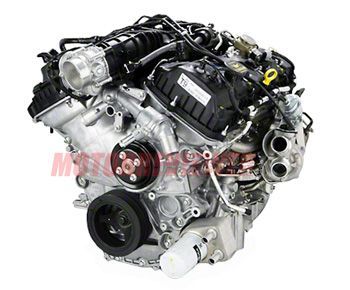
 At Itasca Automotive, we've built a reputation for tackling some of the toughest challenges in the automotive world, and few vehicles test our skills quite like the Ford F-150 equipped with the 3.5L EcoBoost engine. This twin-turbo V6 powerhouse, introduced in 2011, combines impressive performance—delivering up to 450 horsepower and 510 lb-ft of torque in later models—with fuel efficiency that rivals smaller engines. But like any high-tech motor, it comes with its share of quirks. Over the years, our team of certified technicians at Itasca Automotive has repaired hundreds of these trucks, from routine tune-ups to complex overhauls, leveraging our extensive diagnostic scanners and specialized equipment. In this blog, we'll share our insights into common issues, repair strategies, and maintenance tips to keep your F-150 running strong.


Understanding the 3.5L EcoBoost: Power Meets Complexity

The 3.5L EcoBoost is a marvel of engineering, featuring direct fuel injection, twin turbochargers, and variable valve timing for optimal power and efficiency. It's the go-to choice for F-150 owners who need towing capability without sacrificing mpg. However, its advanced design means that repairs require specialized knowledge and tools—something we've honed through extensive hands-on experience at Itasca Automotive. Whether it's a 2017 model with transmission woes or a 2021 edition facing turbo lag, we've seen it all and fixed it right the first time, thanks to our state-of-the-art diagnostic scanners that pinpoint issues with Ford-specific precision.


Common Issues We Handle with Expertise

No engine is perfect, and the 3.5L EcoBoost has a few recurring problems that we've become pros at diagnosing and repairing. At Itasca Automotive, our extensive diagnostic scanners and equipment allow us to identify faults quickly and accurately, often before they escalate. Here's a breakdown of the top issues we encounter:


  • Carbon Buildup in the Ignition System: Direct injection can lead to carbon deposits on intake valves and spark plugs, causing misfires, rough idling, and reduced power. Our fix? We use walnut blasting to clean the valves without disassembly, followed by high-quality fuel additives to prevent recurrence. This service has restored performance in countless trucks.
  • Timing Chain and Phaser Problems: Early models often suffer from stretched timing chains and faulty cam phasers, resulting in rattling noises at startup or under load. We recommend replacing the chain, guides, and phasers with upgraded parts during service, which we've done on over 50 vehicles last year alone. This prevents catastrophic engine failure.
  • Water Pump Leaks and Cooling System Failures: The internal water pump can fail, leading to leaks that mix coolant with oil—a recipe for disaster. Our team catches this early through pressure tests and replaces the pump with OEM or better components, ensuring the cooling system stays robust.
  • Turbocharger Issues: Turbos can wear out from oil starvation or contaminants, causing boost loss or whining noises. We inspect and rebuild turbos in-house, using precision balancing to extend their life.
  • Transmission-Related Problems: Paired with the 10-speed automatic, some F-150s experience shuddering, cavitation noise when cold, or faulty valve bodies. Our diagnostics include fluid flushes and valve body rebuilds, getting you back on the road smoothly.


These repairs aren't DIY-friendly—they demand the right diagnostic scanners and experience to avoid further damage. That's where our expertise at Itasca Automotive shines; we've invested in Ford-specific tools and ongoing training to handle even the trickiest cases with our comprehensive equipment lineup.


Maintenance Tips from the Pros

Prevention is key to longevity, and we've compiled these expert tips based on years of servicing EcoBoost engines at Itasca Automotive:


  • Oil Changes Are Non-Negotiable: Stick to synthetic oil and change it every 5,000-7,500 miles. Never let it run low, as this starves the turbos. We use premium filters to trap contaminants.
  • Spark Plug Replacement: Swap them out every 60,000 miles to avoid breakage in the cylinder head. Our techs torque them precisely to prevent issues.
  • Cooling System Checks: Inspect hoses, coolant strength, and the thermostat regularly. We often flush the system during service to remove debris.
  • Turbo and Intercooler Care: Monitor for leaks and consider drilling a weep hole in the intercooler to drain condensation. Installing an oil catch can helps reduce carbon buildup.
  • General Upkeep: Rotate tires, check battery connections, and ensure door drains are clear to prevent rust.


Following these can extend your engine's life well beyond 200,000 miles—we've got clients who've hit that mark with our help.


Why Choose Us for Your F-150 Repairs?

Itasca Automotive isn't just about fixes; it's about building trust through reliable service. With a team that's ASE-certified and passionate about Fords, we offer warranties on parts and labor, plus transparent pricing. Our extensive diagnostic scanners and cutting-edge equipment ensure every repair is thorough and efficient. If your 3.5L EcoBoost is acting up, bring it in for a free diagnostic. We're here to keep America's best-selling truck on the road where it belongs.


Have questions or need to schedule? Drop us a line—we'd love to hear from you!
December 30, 2025
In the world of automotive maintenance, few components are as overlooked yet essential as the car battery. It's the unsung hero that powers your engine start, runs your electronics, and keeps everything humming along. But not all batteries are created equal. Many drivers opt for the cheapest option at the store, unaware that skimping here can lead to frustration, breakdowns, and even premature failure—especially in harsh conditions like the bone-chilling -40°F winters some regions endure. Heavy-duty batteries, like those from NAPA, embody the "you get what you pay for" mantra through superior construction and performance. In this blog, we'll dive into the key differences in battery build, why ruggedness matters, and important considerations for modern vehicles, including battery coding and the rise of AGM technology. The Core of Battery Construction: What Sets Cheap Batteries Apart from Heavy-Duty Ones At the heart of any lead-acid car battery— the most common type—are lead plates submerged in an electrolyte solution. These plates are where the magic (or chemistry) happens, storing and releasing energy. The big divide between inexpensive batteries and heavy-duty models like NAPA's Legend or AAA lines boils down to build quality and materials. Cheap batteries often cut corners with thinner lead plates and lighter alloys to keep costs down. This results in a lighter, more affordable unit, but it comes at a price: reduced durability and shorter lifespan. These batteries might suffice for mild climates and light use, but they falter under stress, like frequent short trips or extreme temperatures, leading to quicker sulfation (a buildup that degrades performance) and failure. Heavy-duty batteries, such as NAPA's commercial and AGM variants, flip the script with thicker lead plates and premium materials. Thicker plates mean more lead mass, which translates to higher reserve capacity—the ability to provide sustained power when the alternator isn't charging. They also use advanced alloys for better corrosion resistance and sturdier casings that handle vibrations from rough roads or heavy loads. NAPA's heavy-duty batteries, for instance, are engineered for extreme temperatures and vibrations, offering extended cycle life and reliability in demanding applications like trucks or off-road vehicles. This robust construction isn't just marketing; it's what makes them "rugged" and worth the investment for anyone who relies on their vehicle daily. Feature Inexpensive Batteries Heavy-Duty NAPA Batteries Plate Thickness Thinner, more plates for basic CCA but less durable Thicker for longevity and deep discharge resistance Materials Basic lead alloys, lighter casing Premium alloys, vibration-resistant construction Lifespan 2-3 years typical 4-7 years or more with proper use Cost Lower upfront Higher, but better value over time Ruggedness in Action: Deeper Starting Power in Freezing Temps One of the most underrated aspects of battery ruggedness is how it performs in brutal cold. At -40°F, a battery's capacity can drop by up to 60%, making starting your engine a gamble. Here's where thicker lead plates shine: they provide deeper cranking power by allowing more efficient energy transfer and resisting the cold's thickening effect on the electrolyte. In heavy-duty batteries, this means higher Cold Cranking Amps (CCA)—the measure of starting power in freezing conditions—without sacrificing overall health. Cheap batteries, with their thinner plates, might boast decent CCA on paper by packing in more plates, but they wear out faster from deep discharges or repeated cold starts. NAPA's lineup, including their Legend Premium AGM, counters this with 20x the vibration resistance and designs optimized for cold-weather reliability, ensuring you don't get stranded when it matters most. If you live in a region with harsh winters, upgrading to a heavy-duty option isn't a luxury—it's a necessity. The Modern Twist: Battery Coding in Newer Vehicles Gone are the days of simply swapping a battery and driving off. In many vehicles built after 2010—especially imports like BMW, Mercedes, or Audi—the battery must be "coded" or registered to the car's computer system. This process informs the Battery Management System (BMS) about the new battery's specs, resetting charging algorithms accordingly. Why does this matter? The car's computer calculates charging output based on the old battery's age, type, and condition. A fresh battery requires less voltage to stay topped off, so without coding, the system might overcharge it, leading to reduced lifespan, overheating, or even failure. Skipping this step can also trigger warning lights, limp mode, or electronic glitches. Coding is often done with an OBD-II scanner or at a shop, and it's crucial when upgrading to a different type, like from flooded to AGM. Always check your owner's manual—ignoring this could void warranties or cost you more in the long run. AGM Batteries: A Must for Newer Vehicles, Especially Imports Speaking of upgrades, Absorbent Glass Mat (AGM) batteries are increasingly non-negotiable in modern cars. Unlike traditional flooded lead-acid batteries, AGM designs sandwich electrolyte in fiberglass mats, making them spill-proof, vibration-resistant, and capable of handling deeper discharges. Over half of vehicles sold after 2019 require AGM due to advanced features like start-stop systems, regenerative braking, and high electrical loads from infotainment and sensors. This is especially true for imports—European brands often mandate AGM for their energy-efficient tech, as these batteries provide reliable power management and longer life under demanding conditions. NAPA's Legend Premium AGM line fits perfectly here, offering OE-style fit, flame arrestors, and superior performance without the maintenance hassles of flooded batteries. If your vehicle specifies AGM, sticking with a cheap flooded alternative could lead to compatibility issues or voided warranties. Wrapping It Up: Invest in Reliability When it comes to car batteries, the adage "you get what you pay for" holds true. Cheap options might save a few bucks initially, but heavy-duty NAPA batteries deliver through thicker plates, rugged builds, and features tailored for real-world demands—like starting strong in -40°F or integrating seamlessly with modern vehicle tech. Factor in proper installation, including coding for newer models, and opting for AGM where required, and you'll enjoy fewer headaches and longer service life. Next time you're at the parts store, think beyond the price tag—your vehicle (and your sanity) will thank you. If you've got battery stories or questions, drop them in the comments!
Power Sports Repair at Itasca Automotive – Keeping You on the Trail and the Lake
December 15, 2025
At Itasca Automotive, we’re not just your go-to shop for cars and trucks. We’re also northern Minnesota’s trusted power sports repair specialists.
See Exactly What We See: Introducing Digital Video Inspections at Itasca Automotive
December 15, 2025
At Itasca Automotive, we’re proud to offer Digital Video Inspections (DVI) whenever you bring your vehicle in for service.
Your A/C Works Hard Even in Winter: The Hidden Hero of Your Defroster - Itasca Automotive
December 15, 2025
Let's dive into why running your A/C in winter is crucial, and how it ties into something as simple as defrosting your windshield.
Understanding Tire Tread Life Warranty Requirements: A Deep Dive into Rotation and Alignment
November 27, 2025
In this blog post, we'll break down the common requirements for tire tread life warranties, with a special focus on tire rotation and vehicle alignment, as these are often the make-or-break factors for eligibility.
Introducing Itasca Automotive's Custom-Blended Winter Windshield Washer Fluid
October 31, 2025
We're proud to introduce our custom-blended windshield washer fluid, powered by pure methanol, designed to thaw and clear your windshield down to an astonishing -60 degrees Fahrenheit.
Preparing Your Vehicle for Brutal Winters: The Importance of Snow Tires - Itasca Automotive
October 14, 2025
Visit Itasca Automotive today to explore our wide selection and ensure your family’s safety this winter season. Let’s make your vehicle winter-ready - because peace of mind on the road is priceless.
Revving Up Adventure: Itasca Automotive's Expertise in Powersports Repairs
October 14, 2025
In this blog, we'll dive into the world of Powersports repairs, highlight common pitfalls, and share pro tips to maximize your machine's lifespan.
Subaru on the road
September 30, 2025
If you're a Subaru owner, trust us to keep your adventure-ready ride on the road. Schedule an appointment with Itasca Automotive today!
Why Frequent Oil Changes Are a Must for Your Vehicle in Northern MN - Itasca Automotive
September 22, 2025
Here’s why sticking to regular oil changes is critical for keeping your car running strong.