Mastering Subaru Repairs at Itasca Automotive: Your Experts for All-Weather Warriors

September 30, 2025

At Itasca Automotive, we've built a reputation for excellence in servicing Subaru vehicles. With years of hands-on experience, our certified technicians understand the unique engineering that makes Subarus stand out. Unlike some shops that shy away from working on Subarus due to their specialized requirements, we embrace the challenge. Whether it's a routine maintenance check or a complex repair, we're equipped to keep your Subaru running smoothly. In this blog, we'll dive into what sets Subaru repairs apart, the specialized tools and requirements involved, and why these cars excel in extreme weather conditions.


Why Subarus Thrive in Extreme Weather


Subaru vehicles are renowned for their performance in harsh environments, from snowy winters to scorching summers. One key feature is their Symmetrical All-Wheel Drive (AWD) system, which provides full-time power distribution to all four wheels, offering superior traction on slippery roads. This isn't just a reactive system like in many other AWD vehicles; it's always engaged, making Subarus particularly effective in snow and ice.


High ground clearance is another advantage, allowing models like the Outback to navigate deep snow or flooded roads without getting stuck or damaged. Subaru's X-Mode further enhances this by optimizing engine output, transmission, and traction control for extreme conditions, such as heavy rain or steep, icy inclines.


The horizontally opposed Boxer engine also plays a role in reliability during cold snaps. Its design helps with balance and lowers the center of gravity, while Subaru's rigorous cold-weather testing ensures components like batteries and fluids perform in sub-zero temperatures. We've seen countless customers rely on their Subarus through blizzards and heatwaves, and it's no wonder—these cars are built for real-world durability.


The Special Repair Requirements of Subaru Vehicles


Subarus aren't your average car when it comes to repairs, which is why some shops refuse to work on them. Their advanced AWD systems, Boxer engines, and integrated safety features demand precision and knowledge. For instance, servicing the AWD requires careful attention to differentials and torque distribution to avoid imbalances that could lead to premature wear.


Specialized tools are essential for many tasks. Spark plug replacements often need long extensions, universal joints, and specific sockets to navigate the tight engine bay. Diagnostic equipment tailored to Subaru's systems is crucial for reading error codes accurately, something generic scanners might miss. At Itasca Automotive, we've invested in Subaru-specific tools, like those for pipe plugs or brake systems, to handle everything from timing belt changes to CVT transmission services.


While basic maintenance like brake pads or oil changes can be done by general mechanics, more intricate work—such as engine rebuilds or electrical diagnostics—benefits from Subaru expertise. Our team stays updated through Subaru's technical service bulletins and training, ensuring we address common issues like head gasket problems in older models or software updates in newer ones.


How Itasca Automotive Excels in Subaru Repairs


What sets Itasca Automotive apart is our commitment to Subaru-specific service, even when other shops turn these vehicles away. We use genuine parts to maintain warranty compliance and vehicle integrity, and our shop is stocked with the latest diagnostic tools exclusive to Subaru dealerships and specialists. From minor services like tire rotations and fluid checks to major overhauls, we follow Subaru's recommended maintenance schedules to prevent issues before they arise.


In extreme weather regions like ours, we prioritize weather-related prep: checking AWD components, battery health, and tire tread to keep you safe. Our customers appreciate the peace of mind knowing their Subaru is in expert hands at Itasca Automotive.


Final Thoughts


Subarus are exceptional vehicles, especially for tackling extreme weather, but their specialized repair needs can be daunting for some shops. At Itasca Automotive, we have the expertise, tools, and passion to handle these unique vehicles with care. If you're a Subaru owner, trust us to keep your adventure-ready ride on the road. Schedule an appointment with Itasca Automotive today!
MAKE AN APPOINTMENT
November 16, 2026
Spare checks aren't part of a regular service, since getting a stuck spare down from under a pickup can take extra time. But if you'd like us to look at yours, just ask when you book your next service at Itasca Automotive.
November 9, 2026
At Itasca Automotive, we use AI across our procedures to work faster and more accurately. Connected through our NAPA software, it gives our technicians quick access to the information they need on every job.
Trailer Repair | Itasca Automotive
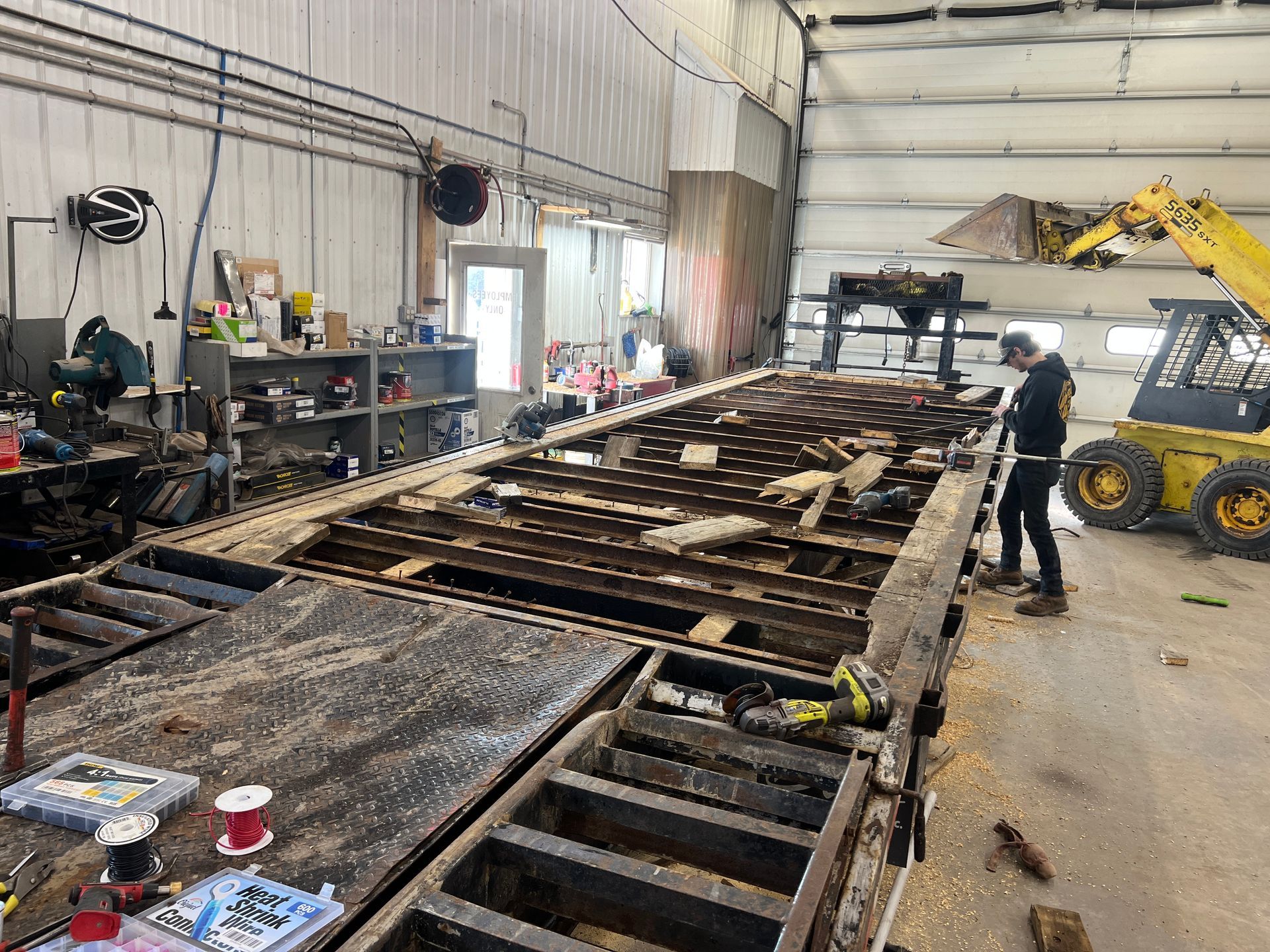
November 3, 2026
Call or stop in if you have a trailer that needs attention. We work on vehicles and the trailers that follow them. | Auto Repair Shop in Itasca County, MN
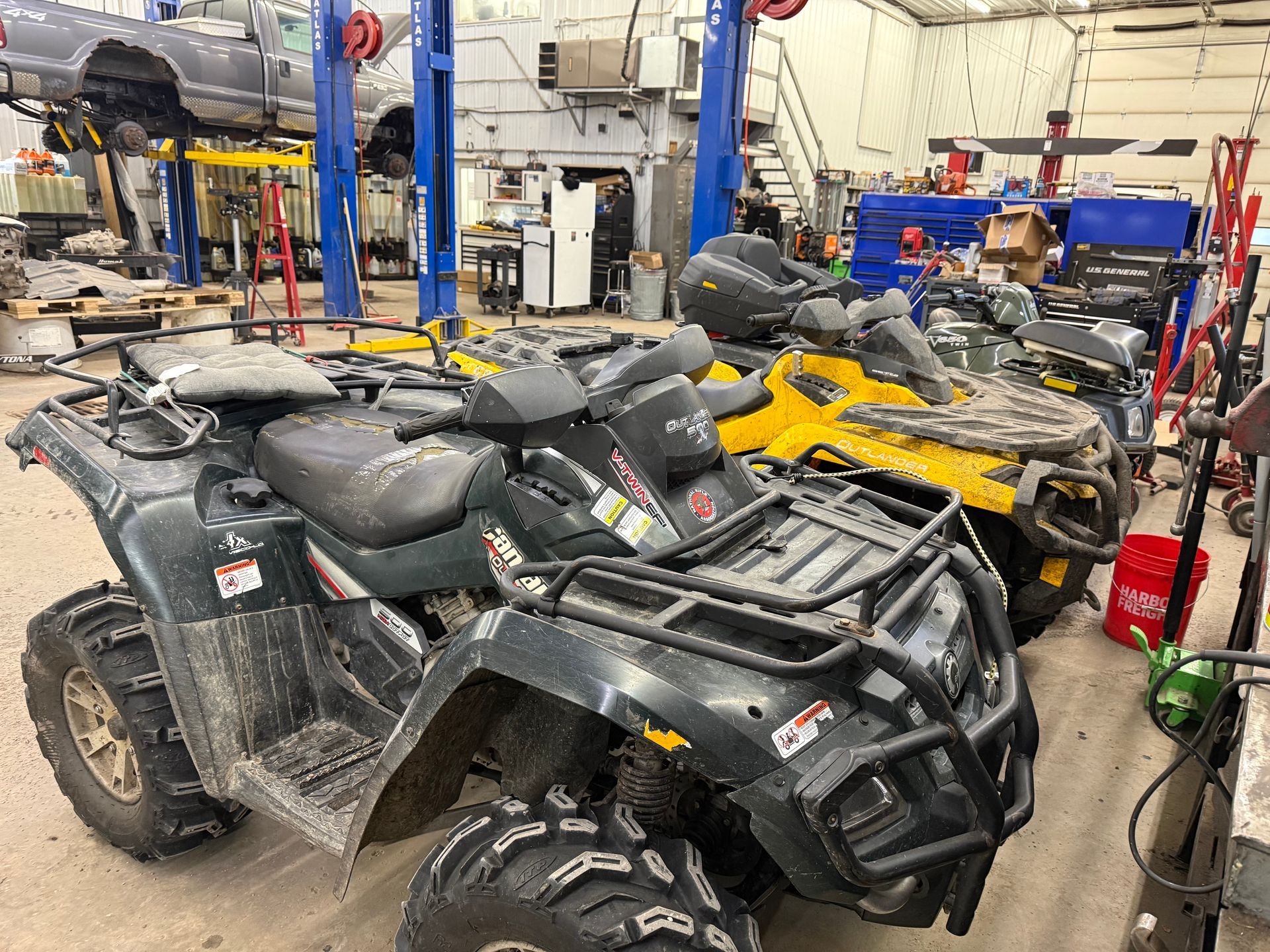
Black and yellow ATVs in a repair shop with tools and vehicle lifts around them | Itasca Automotive
October 28, 2026
Heading up north for deer season? Itasca Automotive in Bigfork, MN, offers powersports, trailer, and auto repair with no long waits.
Teslas Still Need Fluid Service. Just Not the Kind You Think. | Itasca Automotive
October 6, 2026
A Tesla does not need engine oil. It does need someone who understands that the drive units have gearbox fluid, the battery has coolant, and the brakes still live in Minnesota.
A Black Tesla Car | Itasca Automotive
September 16, 2026
If you own a Tesla in northern Minnesota and need auto repair services, choose the specialists here at Itasca Automotive. Schedule an appointment today!
September 14, 2026
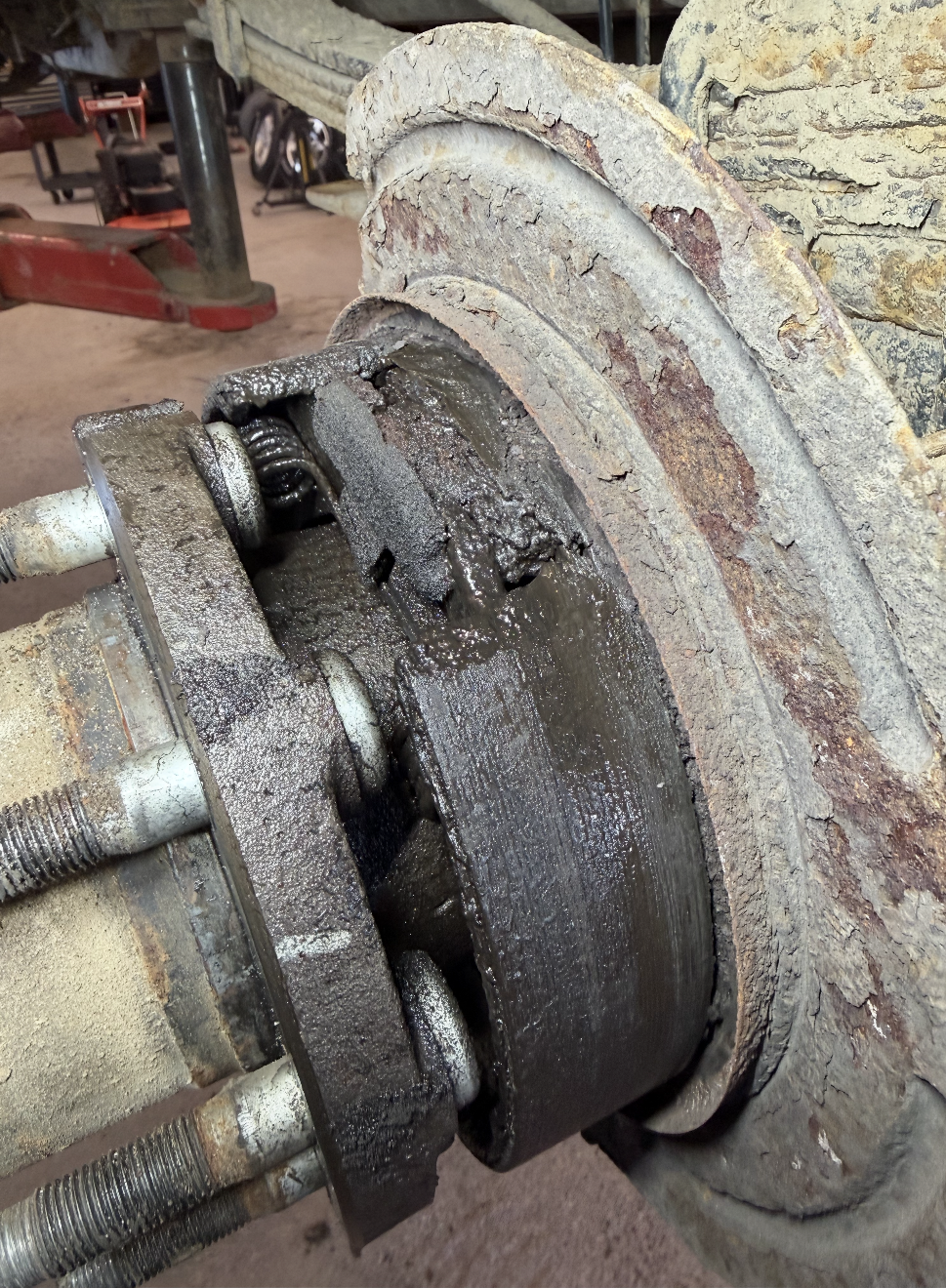
Most people remember to change their engine oil. Far fewer think about the fluids that keep the rest of the drivetrain alive — transmission fluid, transfer case fluid, and differential fluid. These fluids work hard, especially on vehicles that see Minnesota winters, towing, or regular four-wheel-drive use. Neglecting them is one of the fastest ways to turn a reliable truck or SUV into an expensive repair.  Here’s a straightforward look at each one and why a proper service includes more than just draining and filling. Transmission Fluid Automatic transmissions rely on clean fluid for hydraulic pressure, cooling, and lubrication. Over time the fluid breaks down from heat and picks up clutch material and metal particles. Dirty fluid leads to harsh shifting, delayed engagement, and eventually internal damage. Most manufacturers recommend a fluid and filter service somewhere between 30,000 and 60,000 miles, though severe service (towing, short trips, extreme cold) calls for more frequent changes. A good service includes dropping the pan when possible so the filter and magnet can be cleaned or replaced. Transfer Case Fluid If your vehicle has four-wheel drive or all-wheel drive, the transfer case splits power between the front and rear axles. The fluid inside is often different from transmission fluid and is just as critical. Low or degraded fluid can cause the transfer case to overheat, bind, or fail — repairs that routinely run into the thousands of dollars. Many transfer cases are “filled for life” according to the manufacturer, but that rarely holds up under real-world conditions, especially in northern climates. Checking and changing the fluid at regular intervals is cheap insurance. Differential Fluid Differentials (rear, and sometimes front) take the power from the driveshaft and send it to the wheels while allowing them to turn at different speeds. The gears inside run under high pressure and generate a lot of heat. The fluid lubricates and cools those gears. Like the other fluids, differential oil breaks down over time and becomes contaminated with metal particles. Most shops recommend changing it every 30,000–50,000 miles, or sooner if the vehicle is used for towing or off-road work. The Axle Seal Most People Never See One of the most important checks during a differential service is the axle seals — the seals located right next to the brakes on each side of the axle. These seals keep the gear oil inside the differential. When they start to leak, the oil can slowly seep out onto the brake components or onto the ground. The leak is often small enough that it goes unnoticed during a quick under-vehicle glance. You usually only catch it when the wheels are off or the vehicle is up on a lift for a thorough inspection. If the oil level drops too low, the gears and bearings inside the differential lose lubrication. The result is often a complete rear-end failure — a repair that can cost several thousand dollars and leave the vehicle undriveable. Catching a leaking axle seal early is almost always a simple, inexpensive fix compared to replacing an entire differential assembly. What a Proper Service Should Include A quality fluid service isn’t just a drain-and-fill. At a minimum it should include: Inspecting for leaks, especially the axle seals near the brakes Checking fluid condition and level before and after the service Using the correct fluid specification for your vehicle Looking for metal particles or other signs of internal wear Road-testing when appropriate to confirm proper operation These fluids are out of sight and out of mind for most owners until something goes wrong. A little preventive maintenance goes a long way toward avoiding big repair bills later. If it’s been a while since your transmission, transfer case, or differentials were serviced — or if you’ve never had the axle seals checked — it’s worth having a look. The cost of the service is almost always far less than the cost of the damage that can result from neglect.
September 7, 2026
If you’ve noticed a new noise from a corner of your truck or car, stop by and we’ll take a look. Finding it early usually saves money and keeps the vehicle safer on the road.
August 31, 2026
Mice love vehicles for several reasons - the residual warmth, food scraps left in the interior, or simply a protected place to build a nest. Any of these can create real trouble for your truck or car.
August 24, 2026
A squeaky pulley is one of those noises that’s easy to live with until it isn’t. Catching it early is cheaper and a lot less stressful than a broken belt!