Why Frequent Oil Changes Are a Must for Your Vehicle in Northern MN

September 22, 2025

Living in northern Minnesota means your vehicle faces some tough conditions—blazing hot summers, brutal winters, and dusty rural roads. At Itasca Automotive in Bigfork, we see firsthand how these extremes can stress your engine oil.


Here’s why sticking to regular oil changes is critical for keeping your car running strong.

Summer Heat and Dust Take a Toll

Summers up here can get hot and dry, and that’s rough on your engine
oil. High temperatures break down oil faster, making it less effective at lubricating your engine. Add in the fine, talc-like dust from our gravel roads, and it’s a recipe for trouble. Even the best air filters can only catch so much. That dust sneaks into your engine, mixing with the oil and creating a gritty sludge that wears down parts. Regular oil changes flush out these contaminants before they do serious damage.

Winter Woes and Aging Injectors

Our harsh winters are even tougher. When temperatures plummet, fuel injectors—especially in vehicles with over 100,000 miles—struggle to fully atomize fuel. Instead of a fine mist that burns cleanly, worn or aged injectors can “spit” fuel, leaving unburned gas in your engine. This fuel mixes with your oil, thinning it out and reducing its ability to protect moving parts. In today’s engines with super-tight tolerances, this can lead to gunked-up components and costly repairs.

Why Long Oil Change Intervals Don’t Work Here

You’ve probably seen ads boasting 10,000-mile oil change intervals. Sounds great, right? But those claims don’t account for our extreme conditions. Car manufacturers push longer intervals to meet EPA regulations, but we’ve yet to meet a repair shop that thinks it’s a good idea. At
Itasca Automotive, we see the damage—worn bearings, sludged engines, and more—when oil isn’t changed often enough. Draining the oil is the only way to remove contaminants like dust and unburned fuel.

We’re Not in It for the Profit

Here’s the deal: oil changes aren’t a big moneymaker for us. We barely break even after spending time inspecting your vehicle and doing the job right. But we recommend frequent oil changes because it’s the best way to keep your engine healthy. At
Itasca Automotive, we’re about helping you avoid breakdowns and keeping your car or truck running for years, whether you’re hauling gear down a dusty county road or braving a -20°F morning.

Keep Your Vehicle Running Strong

Don’t let long oil change intervals fool you. In northern Minnesota’s extreme environment, more frequent oil changes are a small investment for a long, trouble-free vehicle life. Swing by
Itasca Automotive, and let’s keep your engine happy. Got questions or need a check-up? We’re right here in Bigfork, ready to help!


Schedule Your Appointment
Tesla | Itasca Automotive
October 6, 2026
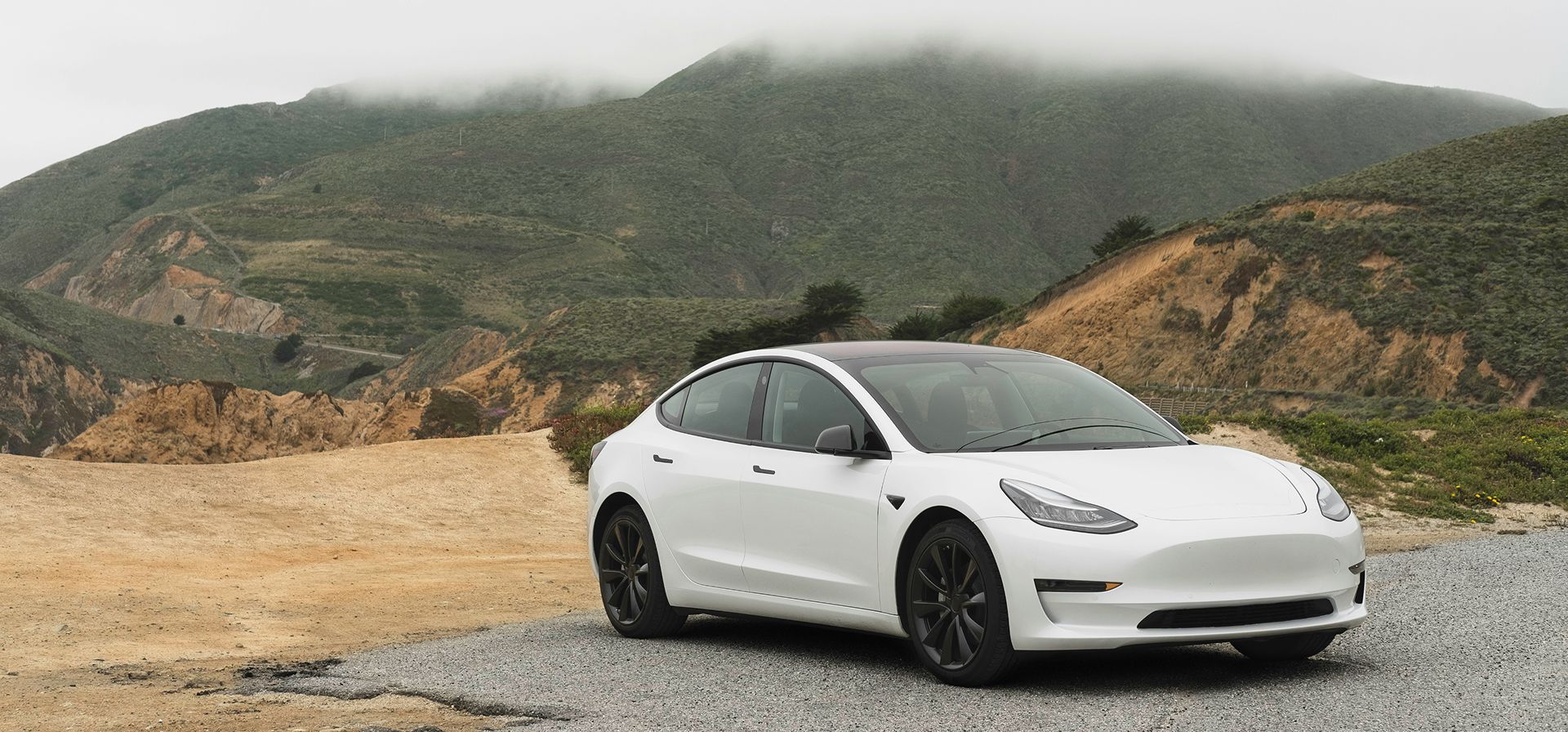
No gasoline engine does not mean no oil, no coolant, and no maintenance. The fluids moved — they did not disappear. One of the most common things we hear from Tesla owners is some version of this: “It’s electric. There is no oil to change.” That sentence is half right. There is no crankcase full of 5W-30. There are no oil filters hanging off a gas engine, no spark plugs, and no transmission with six or ten gears to flush every 30,000 miles. The other half is the part that costs people money. Tesla drive units still have fluid in them. The battery and electronics still have coolant. The brakes still have hydraulic fluid. Minnesota winter still eats the parts that sit unused. “Maintenance-free” is a marketing phrase. It is not a physical law. What Tesla actually says — and what the service manual shows Tesla’s public maintenance page is clear: no traditional oil changes, no fuel-system service, no emission checks. Current owner’s manuals also say battery coolant does not need replacement for the life of the vehicle under most circumstances. That is the official line. Then you open the service manual. Tesla still publishes drain-and-refill procedures for gearbox fluid in the front and rear drive units. They specify a fluid — currently KAF1 on most late cars, with older Model S/X large rear units historically using Dexron VI ATF, and some early front units using a different gear oil entirely. Volumes are small: roughly 1.3 to 2.3 liters depending on which drive unit is in the car. Those two facts can both be true. Tesla designed the units as “fill for life” under typical use. They also wrote a procedure for when the fluid does come out — after a repair, a leak, contamination, or a shop that is trying to keep a high-mileage unit alive. Independent EV shops and long-term owners have mostly settled in the middle: inspect it, and change it on a long interval rather than never. The “oil” in a Tesla is gear oil, not motor oil A Tesla does not have a multi-speed automatic transmission. It has a single-speed reduction gearbox bolted to the electric motor. That assembly is the drive unit. Inside it, gears and bearings spin at high speed and make heat. The fluid in there is typically a low-viscosity automatic transmission fluid or a dedicated gearbox fluid — not 5W-30 engine oil, and not something you buy off the rack without checking the spec. What that fluid does: Lubricates reduction gears and bearings Carries heat away from the unit Holds wear metals in suspension until it is drained — which is why a sample of dark, glittery fluid tells you more than a warning light ever will Early Model S cars even had a first fluid change on the books around 12,500 miles, then later service. Tesla later dropped that from the owner schedule. The hardware did not suddenly become magic. The fluid still shears, still picks up metal, and still sees Minnesota cold starts and highway heat. A practical shop interval many independent Tesla specialists use is inspect around 60,000 miles and service in the 60,000–100,000 mile / 4–6 year window — sooner if the car is a taxi, a track car, a curb-hopper, or a high-mileage daily that lives on salted roads. If the unit already howls, fresh fluid will not rebuild a bearing. It can buy time and confirm the diagnosis. The other fluid: battery and thermal-system coolant This is the second surprise. The high-voltage battery, the drive electronics, and parts of the cabin heat system live on coolant loops. Tesla uses an ethylene-glycol coolant (G48 / Tesla HTF-LS type chemistry — phosphate- and silicate-sensitive, not a random green jug from the parts store). Tesla’s current wording is that battery coolant usually lasts the life of the car. That is the baseline. It is not permission to ignore the system. Coolant that has gone brown, full of particles, or low from a leak is a problem. Air left in the loop after a sloppy service creates hot spots. The wrong chemistry eats seals and cooling plates. Opening the reservoir carelessly can also void coverage Tesla still offers on the pack. What we do first is inspect: color, level (where it can be checked without fighting the system), leaks, and any thermal warnings on the car. A flush is not an annual ritual. It is a targeted service when age, condition, a repair, or a leak says it is time. Minnesota heat-and-cold cycling and Supercharger sessions both work that fluid harder than a mild-climate grocery loop. The fluids people forget even faster If we are talking Tesla maintenance honestly, drive-unit oil and battery coolant are only part of the list: Brake fluid. Regenerative braking saves pads. It does not stop brake fluid from absorbing moisture. Tesla still specifies a DOT 3/4 family fluid. In a salt climate we treat a two-to-four-year test-and-replace as real maintenance, not optional. Brake calipers. Pads that barely wear seize. Slider pins and hardware need cleaning and lube on a salted-road schedule — Tesla even lists caliper service in cold/salt regions. 12-volt battery. Door handles, computers, and the wake-up circuit all live here. A dying 12-volt battery mimics a “dead Tesla.” Cabin / HEPA filters, tires, alignment, and air-suspension checks on S/X. None of that vanished when the engine did. Why this matters more in Itasca County than in a brochure We do not have a mild coastal commute. We have cold soaks, gravel, lake-road salt, and owners who actually use the car — including towing and long highway runs. Drive-unit fluid that sat through a dozen Minnesota winters is not the same fluid that left Fremont. A coolant loop that never gets looked at will not announce itself politely. It will show up as reduced charge speed, odd thermal behavior, or a very expensive pack conversation. That is the gap independent shops fill. Tesla Service will often wait for a fault. A local shop that already works drivetrains, cooling systems, and brakes can inspect the fluids on a schedule that matches how the car is actually used. What Itasca Automotive will — and will not — do We will: Inspect drive-unit fluid condition and discuss a drain-and-fill when mileage, age, noise, or a sample says it is time Use the correct gearbox fluid for that generation of unit — KAF1 or the spec that unit actually takes. No “close enough” ATF from the bulk tank. Inspect the thermal system and service coolant only with the right chemistry and a proper fill procedure Test and replace brake fluid, clean and lube calipers, replace the 12-volt battery, and handle the wear items every Tesla still has Tell you when a job still belongs at Tesla — pack internals, certain module work, warranty items We will not dump motor oil into a drive unit, pressure-test a Tesla cooling circuit like a 1998 pickup, or sell you an annual “EV oil change” you do not need. The point of independent Tesla service is fewer surprises, not more invoices. The short version  A Tesla does not need engine oil. It does need someone who understands that the drive units have gearbox fluid, the battery has coolant, and the brakes still live in Minnesota. If your Model S, 3, X, or Y has never had those systems looked at — especially past 60,000 miles or a few winters — bring it in. We will tell you what the fluid looks like and what is actually worth doing.
A Black Tesla Car | Itasca Automotive
September 16, 2026
If you own a Tesla in northern Minnesota and need auto repair services, choose the specialists here at Itasca Automotive. Schedule an appointment today!
September 14, 2026
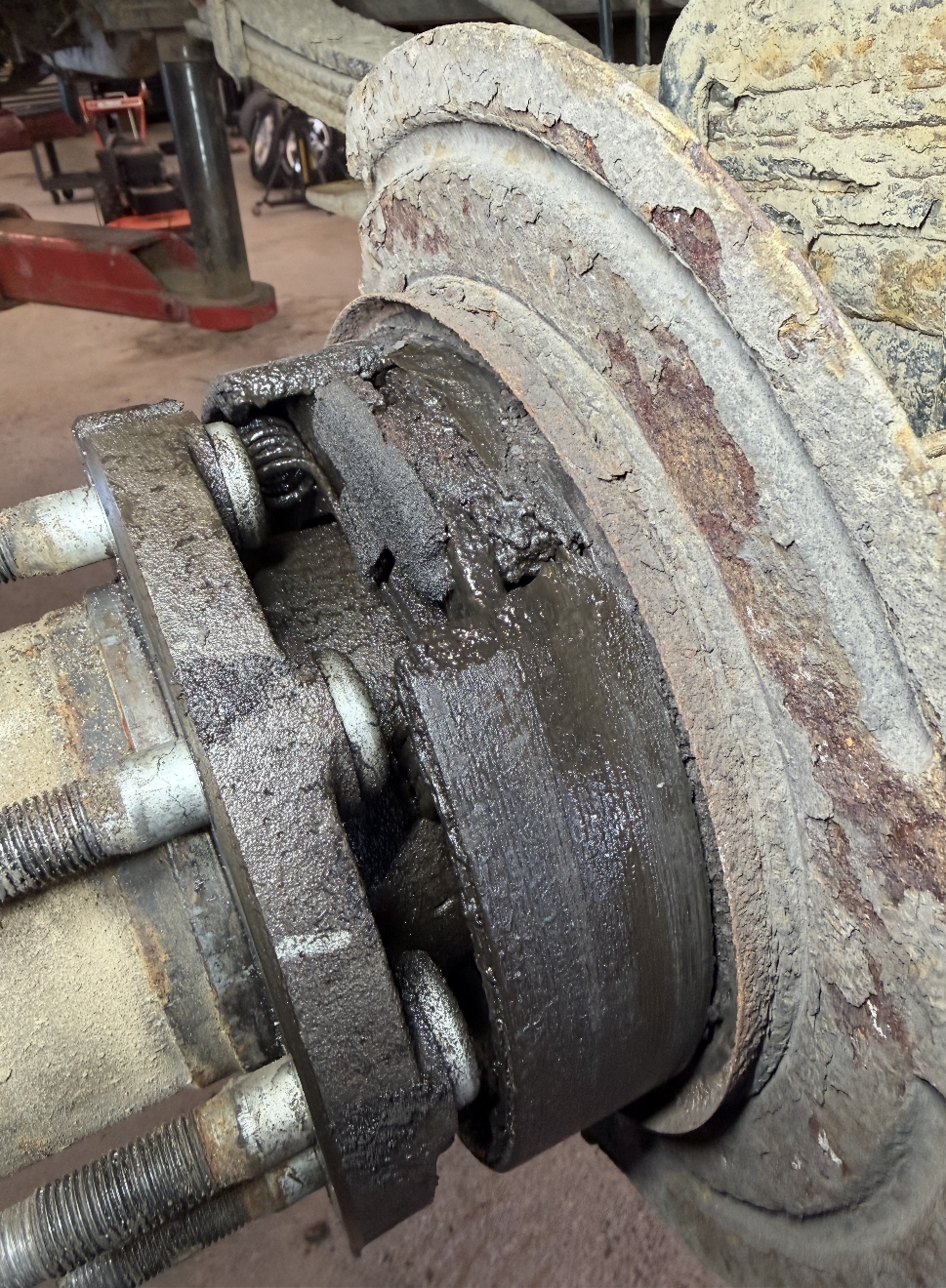
Most people remember to change their engine oil. Far fewer think about the fluids that keep the rest of the drivetrain alive — transmission fluid, transfer case fluid, and differential fluid. These fluids work hard, especially on vehicles that see Minnesota winters, towing, or regular four-wheel-drive use. Neglecting them is one of the fastest ways to turn a reliable truck or SUV into an expensive repair.  Here’s a straightforward look at each one and why a proper service includes more than just draining and filling. Transmission Fluid Automatic transmissions rely on clean fluid for hydraulic pressure, cooling, and lubrication. Over time the fluid breaks down from heat and picks up clutch material and metal particles. Dirty fluid leads to harsh shifting, delayed engagement, and eventually internal damage. Most manufacturers recommend a fluid and filter service somewhere between 30,000 and 60,000 miles, though severe service (towing, short trips, extreme cold) calls for more frequent changes. A good service includes dropping the pan when possible so the filter and magnet can be cleaned or replaced. Transfer Case Fluid If your vehicle has four-wheel drive or all-wheel drive, the transfer case splits power between the front and rear axles. The fluid inside is often different from transmission fluid and is just as critical. Low or degraded fluid can cause the transfer case to overheat, bind, or fail — repairs that routinely run into the thousands of dollars. Many transfer cases are “filled for life” according to the manufacturer, but that rarely holds up under real-world conditions, especially in northern climates. Checking and changing the fluid at regular intervals is cheap insurance. Differential Fluid Differentials (rear, and sometimes front) take the power from the driveshaft and send it to the wheels while allowing them to turn at different speeds. The gears inside run under high pressure and generate a lot of heat. The fluid lubricates and cools those gears. Like the other fluids, differential oil breaks down over time and becomes contaminated with metal particles. Most shops recommend changing it every 30,000–50,000 miles, or sooner if the vehicle is used for towing or off-road work. The Axle Seal Most People Never See One of the most important checks during a differential service is the axle seals — the seals located right next to the brakes on each side of the axle. These seals keep the gear oil inside the differential. When they start to leak, the oil can slowly seep out onto the brake components or onto the ground. The leak is often small enough that it goes unnoticed during a quick under-vehicle glance. You usually only catch it when the wheels are off or the vehicle is up on a lift for a thorough inspection. If the oil level drops too low, the gears and bearings inside the differential lose lubrication. The result is often a complete rear-end failure — a repair that can cost several thousand dollars and leave the vehicle undriveable. Catching a leaking axle seal early is almost always a simple, inexpensive fix compared to replacing an entire differential assembly. What a Proper Service Should Include A quality fluid service isn’t just a drain-and-fill. At a minimum it should include: Inspecting for leaks, especially the axle seals near the brakes Checking fluid condition and level before and after the service Using the correct fluid specification for your vehicle Looking for metal particles or other signs of internal wear Road-testing when appropriate to confirm proper operation These fluids are out of sight and out of mind for most owners until something goes wrong. A little preventive maintenance goes a long way toward avoiding big repair bills later. If it’s been a while since your transmission, transfer case, or differentials were serviced — or if you’ve never had the axle seals checked — it’s worth having a look. The cost of the service is almost always far less than the cost of the damage that can result from neglect.
September 7, 2026
If you’ve noticed a new noise from a corner of your truck or car, stop by and we’ll take a look. Finding it early usually saves money and keeps the vehicle safer on the road.
August 31, 2026
Mice love vehicles for several reasons - the residual warmth, food scraps left in the interior, or simply a protected place to build a nest. Any of these can create real trouble for your truck or car.
August 24, 2026
A squeaky pulley is one of those noises that’s easy to live with until it isn’t. Catching it early is cheaper and a lot less stressful than a broken belt!
August 18, 2026
If you drive regularly through our winters, a good set of snow tires is still one of the smartest upgrades you can make. Call us to schedule an appointment!
July 16, 2026
Subarus are built for conditions very similar to what we experience here in northern Minnesota — snowy winters, gravel roads, forest trails, and unpredictable weather. That makes them incredibly popular across the region. From the Outback and Forester to the Crosstrek, Impreza, and Legacy, we see them every day in our Grand Rapids shop. What sets us apart is our deep specialization. Our technicians have extensive training and hands-on experience with Subaru’s unique systems, including: Symmetrical All-Wheel Drive (AWD) Boxer engines CVT transmissions EyeSight safety systems Advanced electronics and sensors We don’t just work on Subarus — we’ve made them a core focus of our business. This specialization means we diagnose problems faster, perform repairs more accurately, and often save our customers time and money compared to general repair shops. Common Subaru Services We Provide At Itasca Automotive, we offer complete Subaru service and repair, including: Routine Maintenance Oil changes using the correct Subaru-specification synthetic oil 30K, 60K, and 90K mile services CVT fluid changes (critical for longevity) Brake inspections and service Tire rotations and alignments (especially important for AWD systems) Major Repairs & Diagnostics Transmission diagnostics and repairs Suspension and steering work Cooling system service (radiators, thermostats, water pumps) Electrical and battery system repairs Check engine light diagnostics with Subaru-specific tools Performance & Reliability Upgrades Cold weather packages and winterization All-weather floor mats and cargo trays Lift kits for Outbacks and Foresters used on forest roads Performance air filters and exhaust upgrades (where desired) The Northern Minnesota Advantage Our local climate and road conditions create specific wear patterns on Subarus. We understand how road salt affects undercarriage components, how heavy snow impacts CVT performance, and how forest roads can stress suspension and drivetrain parts. This regional expertise allows us to spot potential problems early and recommend the right solutions for long-term reliability. Many Subaru owners in Grand Rapids, Ely, Tower, Side Lake, Big Falls, Bemidji, and surrounding areas drive their vehicles year-round on a mix of highways, gravel roads, and winter ice. This type of driving puts extra demand on the AWD system, wheel bearings, and brakes. Our technicians know exactly what to look for during inspections because we’ve serviced hundreds of Subarus in these exact conditions. The Benefits of Choosing a Subaru Specialist When you bring your Subaru to a general repair shop, you risk technicians who may not be fully familiar with Subaru’s boxer engine layout, unique AWD system, or proprietary diagnostic software. At Itasca Automotive, you get: Faster and more accurate diagnosis Proper Subaru-specific tools and equipment Technicians who stay current with the latest Subaru service bulletins Honest recommendations without upselling unnecessary services Access to quality OEM and aftermarket parts suited for northern conditions Our customers frequently tell us they feel more confident knowing their vehicle is in the hands of true Subaru experts who understand both the cars and the realities of driving in northern Minnesota. Serving a Wide Area of Northern Minnesota We proudly serve Subaru drivers from Grand Rapids and throughout a large portion of northern Minnesota. Whether you’re coming from Ely, Tower, Side Lake, Big Falls, Bemidji, or any of the many smaller communities in between, many of our customers are willing to make the drive because they’ve learned that specialized Subaru care makes a real difference in vehicle performance and longevity. Schedule Your Subaru Service Today Don’t trust your Subaru to just any shop. Bring it to the local experts who understand both the vehicle and the unique demands of northern Minnesota driving. At Itasca Automotive , we combine deep Subaru knowledge with honest, customer-focused service. Our goal is simple: keep your Subaru reliable, safe, and performing the way it was designed to — even in the toughest conditions northern Minnesota can throw at it. If you own a Subaru and live in Grand Rapids, Ely, Tower, Side Lake, Big Falls, Bemidji, or anywhere across northern Minnesota, we invite you to experience the difference a true Subaru specialist can make. Contact Itasca Automotive today to schedule your next service, inspection, or repair. Your Subaru deserves expert care — and that’s exactly what we deliver.
July 9, 2026
Driving in Itasca County demands a lot from your vehicle’s brakes. Between the long winters, icy roads, gravel forest routes, heavy tourist traffic in the summer, and sudden wildlife encounters, your brakes work harder here than in many other parts of the country. At Itasca Automotive in Grand Rapids, we see the effects of our local driving conditions on brake systems every single week. Ignoring brake problems isn’t just risky — it can lead to much more expensive repairs and, more importantly, dangerous situations on the road. Northern Minnesota’s climate is especially tough on brakes. Road salt and de-icing chemicals used during our long winters are highly corrosive. They eat away at rotors, calipers, and brake lines over time. Many vehicles we service in the Grand Rapids area show significant rust and wear that drivers don’t notice until the brakes start making noise or feel less responsive. One of the most common issues we see is worn brake pads. Pads typically last between 30,000 and 70,000 miles depending on your driving style and conditions. In Itasca County, that range tends to be on the lower side because of frequent stops in town, highway driving to nearby communities, and winter weather that requires more careful braking. Warning Signs Your Brakes Need Attention Grand Rapids drivers should listen and feel for these common indicators: Squealing or grinding noises when braking – This usually means your brake pads are worn down to the wear indicators or metal is contacting the rotor. Shaking or vibration in the steering wheel or brake pedal when slowing down – Warped rotors are a frequent culprit, especially after repeated hard stops or exposure to temperature extremes. Soft or spongy brake pedal – This can indicate air in the brake lines, low brake fluid, or failing master cylinder. Pulling to one side when braking – Often caused by uneven pad wear, stuck calipers, or problems with the brake hoses. Longer stopping distance – If your vehicle takes longer to stop than usual, especially in wet or icy conditions, it’s time for immediate inspection. Burning smell after braking – This can signal overheated brakes or seized calipers. Dashboard brake warning light – Never ignore this. It could mean low fluid, worn pads, or a more serious issue in the system. Because many people in the Grand Rapids area drive trucks, SUVs, and vehicles used for work or towing, brake systems experience extra stress. Towing boats to area lakes or hauling equipment on forest roads puts additional load on your brakes, causing them to heat up faster and wear more quickly. Why Professional Brake Repair Matters There’s a big difference between a basic brake job and proper, high-quality brake service. At Itasca Automotive, we perform complete brake inspections that include measuring rotor thickness, checking caliper operation, inspecting all brake lines and hoses, and testing the entire hydraulic system. We only recommend the repairs your vehicle actually needs. Sometimes a simple pad and rotor replacement is sufficient. Other times, we may need to address stuck calipers, ABS sensor issues, or brake fluid flushes to restore full safety and performance. Quality matters. Using the right brake parts for northern Minnesota conditions makes a significant difference in how long your brakes last. We choose pads and rotors designed to handle cold weather, road salt, and the mix of highway and gravel road driving common in Itasca County. The Cost of Waiting Putting off brake repairs almost always leads to higher costs. Worn pads damage rotors. Seized calipers can ruin brake hoses. What starts as a $400–$600 brake service can easily turn into a $1,200+ repair if major components fail. More importantly, brakes are your vehicle’s most critical safety feature. In areas with deer crossings, sudden snowstorms, and logging trucks, reliable stopping power is essential. Seasonal Brake Care Tips for Itasca County Drivers Have your brakes inspected every fall before winter arrives Get brakes checked again in spring after the heavy salt season ends Avoid riding your brakes on long downhills — use lower gears instead Have your brake fluid flushed every 2–3 years or 30,000 miles Pay attention to how your vehicle feels after driving through deep puddles or slush Many of our customers in Grand Rapids combine their brake service with other seasonal maintenance, such as tire rotations, fluid checks, and AC service, making it more convenient and cost-effective. Trust Your Local Experts  At Itasca Automotive, we’ve built our reputation by providing honest, high-quality brake repairs to drivers throughout Itasca County. We understand the unique challenges our roads and weather present, and we take pride in keeping local families, workers, and tourists safe on the road. Whether you drive a daily commuter car, a heavy-duty pickup, or a family SUV, we deliver reliable brake service using quality parts and proper procedures. Our goal is simple: make sure you and your passengers stay safe every time you hit the brakes. If you’ve noticed any of the warning signs mentioned above, or if it’s been more than a year since your last brake inspection, we encourage you to schedule an appointment soon. Don’t wait until the next snowstorm or that sudden stop on Highway 169. Contact Itasca Automotive today for professional brake inspection and repair from Grand Rapids to Bigfork and throughout Itasca County. Your safety is our top priority.
July 2, 2026
At Itasca Automotive, we offer comprehensive summer vehicle inspections that include a full AC performance test. Contact us for expert summer car care today!